
Marsh and wildlife · Eastern Neck
Eastern Neck, where the swans spend the winter
At the southern tip of Kent County, a low island refuge sits where the Chester River meets the bay. In winter its coves fill with tundra swans, and the trails stay quiet.
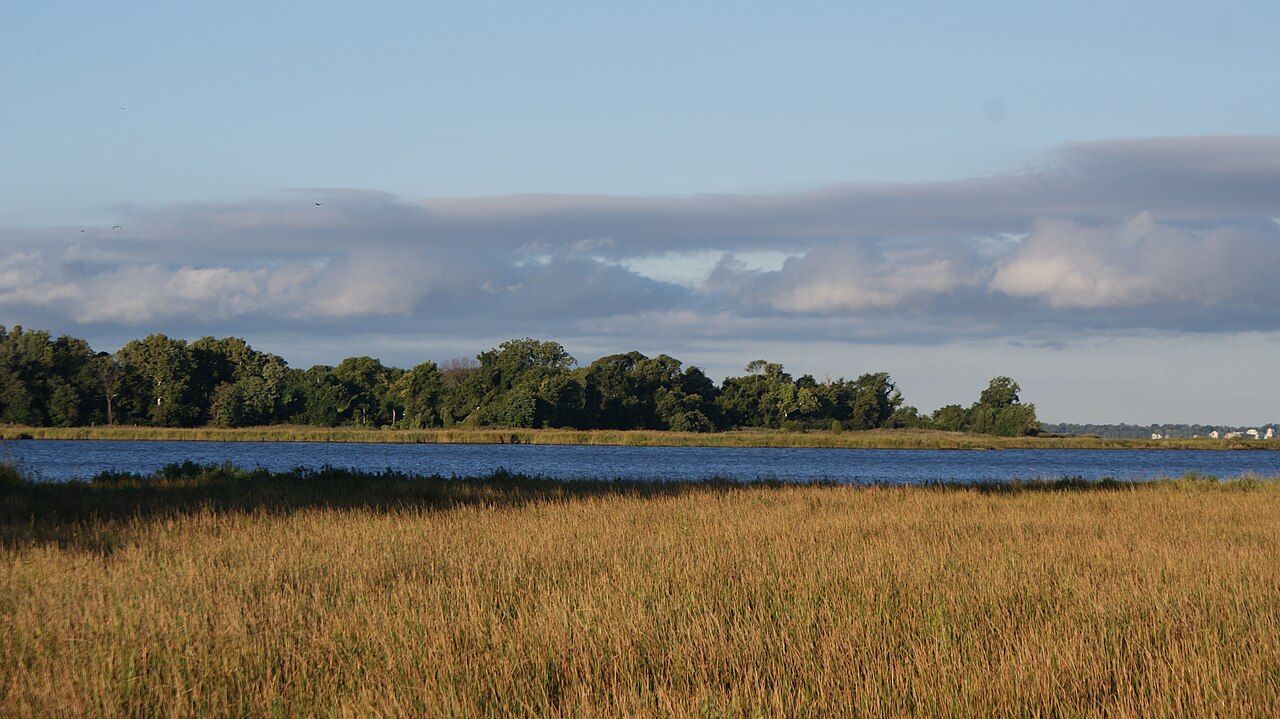
Drive south from Rock Hall and the farm fields thin out, the road narrows, and a short bridge carries you over a slip of water onto Eastern Neck Island. The whole island is a national wildlife refuge. There is no town on it, no shops and no traffic to speak of, just woods, marsh, fields kept for birds and a long ragged shoreline where the Chester River opens into the Chesapeake Bay.
Most people who know the place know it for one thing. From late autumn into early spring, tundra swans gather in the coves around the island in numbers you rarely see anywhere else on the upper bay. Their calls carry across the water on cold mornings, a soft, high whooping that sounds nothing like a goose. If you come in winter, that sound is the reason.
An island at the mouth of the Chester
Eastern Neck is low, flat and roughly a few miles long, with deep coves cut into its edges. To the west is open bay, and on a clear day you can see the far shore and the line of the Bay Bridge to the south. To the east the Chester River runs down past the island from the brick waterfront town of Chestertown upstream. The mix of salty bay water and fresher river water, with shallow grass beds and sheltered coves, is what makes the island so useful to waterfowl.
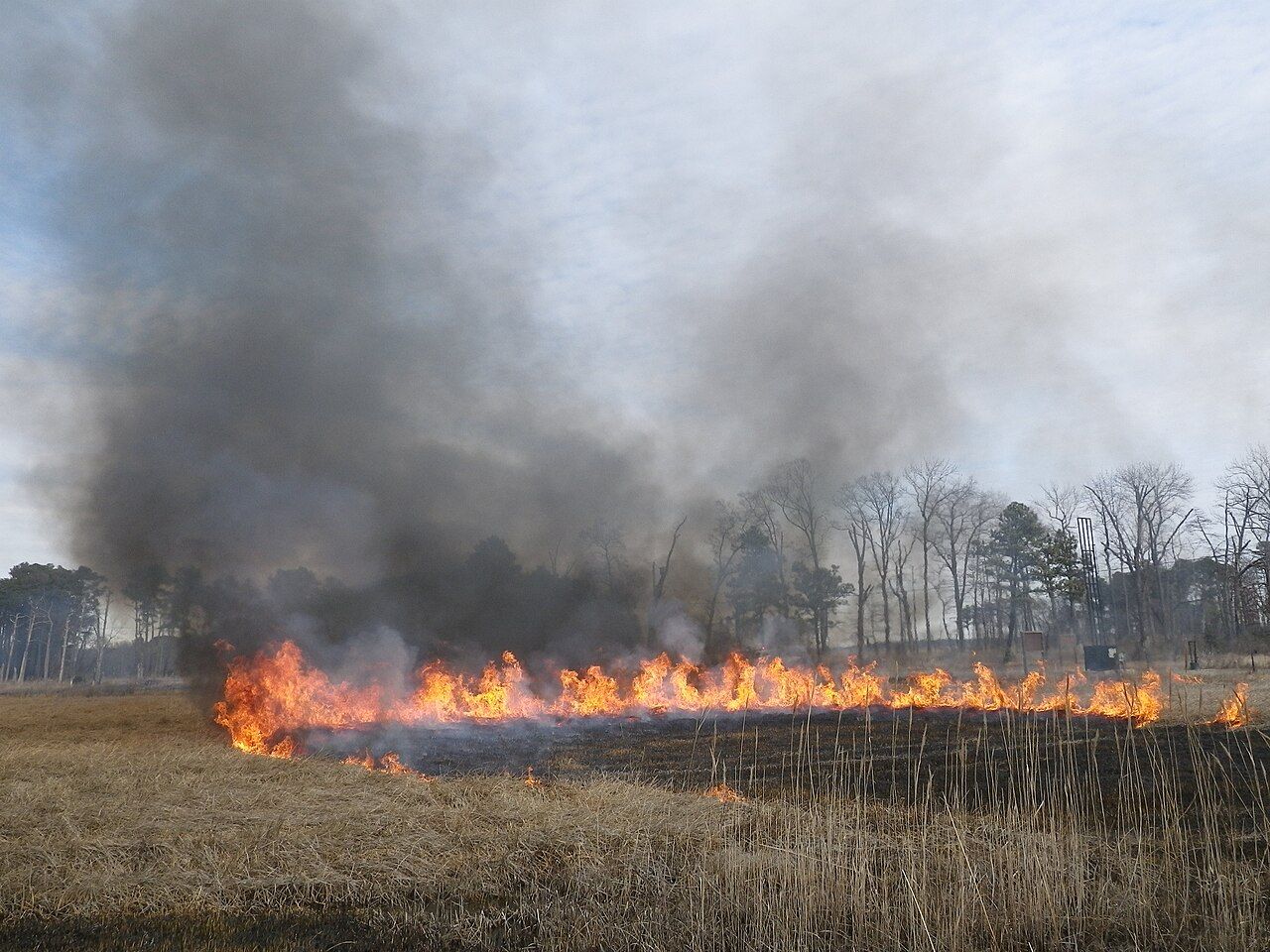
People have used this ground for a very long time. Native American communities fished and gathered shellfish along these shores long before English settlers cleared fields here in the colonial era, and the island was farmed for generations after that. It became a refuge in the 1960s, and much of the old farmland is now managed for wildlife: some fields are planted or mowed for feeding geese, some are left to grow up, and some are burned on purpose in late winter to keep the grassland open.
The shoreline is the island's ongoing problem. Wave action and rising water have been eating at the edges for decades, and you will see stone breakwaters and planted marsh along parts of the shore, built to slow the loss. It is worth remembering on a calm day that the island you are walking on is smaller than it was a century ago.
The tundra swans
Tundra swans nest in the Arctic and fly south each autumn, and a good share of the eastern population spends the winter on the Chesapeake. They begin arriving around November, build to their highest numbers in midwinter, and start drifting north again in late February and March. On Eastern Neck you are most likely to find them rafted in the coves on the bay side, feeding on submerged plants and shellfish in the shallows, or flying low over the marsh in long, loose lines.
They are big, all-white birds with black bills. Up close, many show a small yellow spot at the base of the bill in front of the eye. That black bill is the easiest way to tell them from mute swans, the orange-billed swans of park ponds, which are not native to the bay. Young tundra swans are a dusky grey through their first winter and travel with their parents, so you will often see family groups of two white adults and a few grey young together.
Swans are shy of people on foot. The best views come from the blinds and the ends of the boardwalks, where you can stand still and let the birds settle. Arrive early, when the wind is usually lighter and the light is low across the water, and bring binoculars or a spotting scope. Do not try to approach them along the shore: a flushed flock wastes energy the birds need to get through the cold months.
Also enteredBlackwater National Wildlife RefugeTrails and boardwalks
The refuge keeps a handful of short, easy trails rather than long hikes. Several are boardwalks over marsh or out to observation blinds on the coves, and most of them take well under an hour. Together they let you see the main habitats on the island in a morning: hardwood forest, loblolly pine, open fields, tidal marsh and the shallow water where the swans and diving ducks feed.
- The cove boardwalks run out over marsh to blinds facing open water. In winter these are the places to scan for swans, canvasbacks, buffleheads and scaup.
- The woodland trails loop through forest and along field edges. Look for woodpeckers, songbirds and, in spring and autumn, migrating warblers.
- The butterfly garden area near the refuge office is at its best in late summer and early autumn, when monarchs pass through on migration.
Bald eagles are common year-round, and you may see several in a single visit, perched in tall trees along the water. Ospreys return in spring and nest on platforms and channel markers around the island.
The refuge is open during daylight hours, and the rules are posted at the entrance: stay on roads and trails, keep dogs leashed where they are allowed, and leave plants and artifacts where you find them. Parts of the refuge may close on certain days for managed deer hunts, usually in autumn and early winter. Check the refuge's current notices before you drive out, especially in hunting season.
When to come, and what to expect
Winter is the season for swans and ducks, and it is also the season when the island is at its emptiest. Dress for wind. The bay side of the island is fully exposed, and a northwest wind in January can make the end of a boardwalk feel much colder than the temperature suggests.
Spring brings ospreys, warblers and the first green in the marsh. Summer is hot, humid and buggy: biting flies and mosquitoes can be fierce on still evenings, and ticks are common in tall grass from spring through autumn. Autumn is often the most comfortable time to walk, with migrating hawks and monarchs overhead and the first swans arriving toward the end of the season. For a sense of how the year turns across the whole region, see the Shore through the year.
Wave action and rising water have been eating at the edges for decades, and you will see stone breakwaters and planted marsh along parts of the shore, built to slow the loss.
Fitting it into a day
Eastern Neck is at the end of a long peninsula, so it makes sense to pair it with something nearby. Rock Hall, the harbor town you pass through on the way, has a long fishing and oystering history and a waterfront worth a walk. Chestertown is a short drive north. On the way back toward the Bay Bridge or the middle Shore, you pass through farmland that fills with feeding geese in winter.
If you want a bigger refuge with a driving loop, head south to the marshes of Blackwater in Dorchester County, which is a longer trip but gives you a very different landscape: wider, wetter and wilder. Eastern Neck is smaller and more intimate. On a still winter morning, standing at the end of a boardwalk with the swans calling out on the cove, it can feel like you have the whole upper bay to yourself.
There are restrooms and parking near the refuge office and at a few trailheads, but no food or fuel on the island. Fill up in Rock Hall or Chestertown before you cross the bridge, and carry water in warm weather, since there is little shade on the field edges and boardwalks.