
Marsh and wildlife · Blackwater National Wildlife Refuge
Blackwater National Wildlife Refuge
South of Cambridge, the marsh opens into one of the great wildlife landscapes of the Atlantic coast: eagles on bare snags, geese by the thousand in winter and water that is slowly winning.
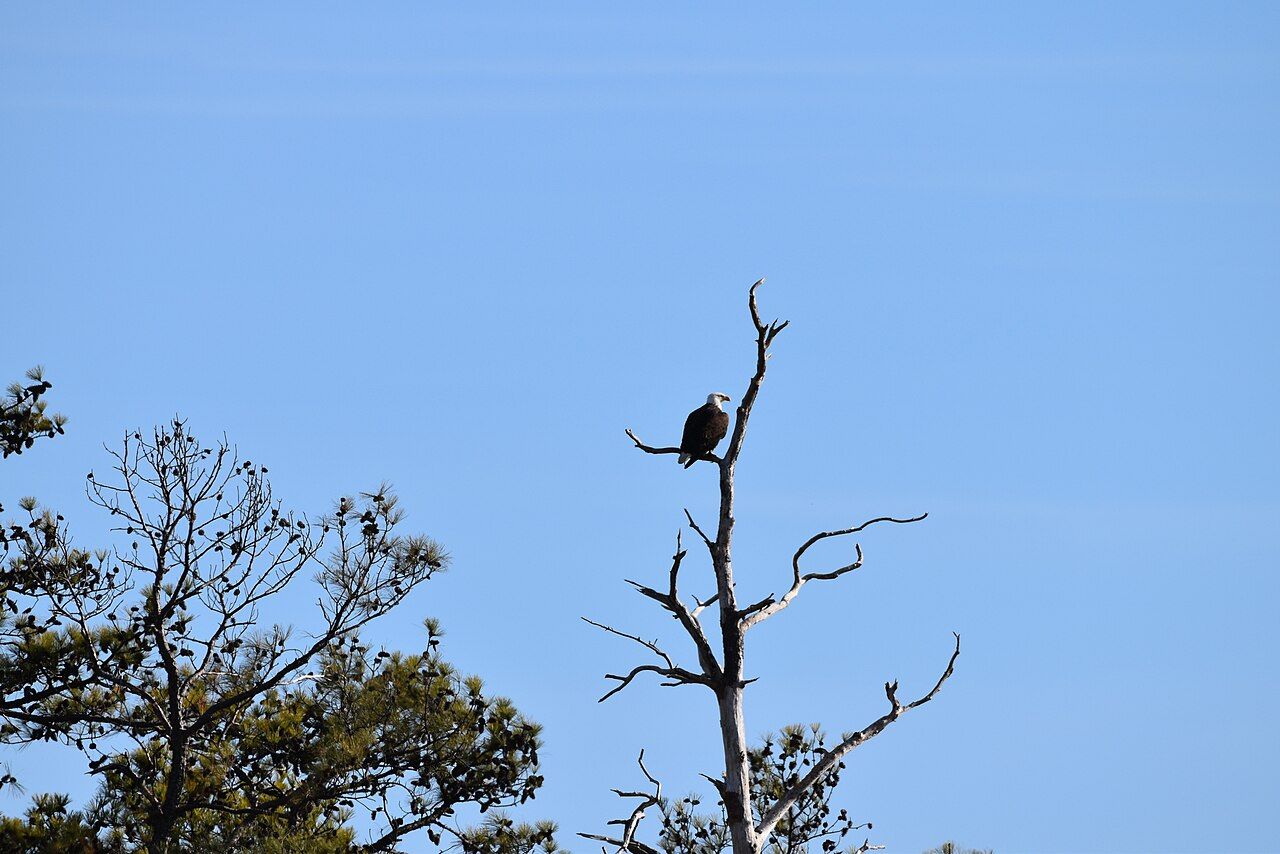
Blackwater National Wildlife Refuge covers a great sweep of marsh, forest and open water in southern Dorchester County, a short drive south of Cambridge. It was established in 1933 as a refuge for migrating waterfowl, and it has grown to more than twenty-eight thousand acres. From the road, it looks like nothing much at first: flat, brown or green, depending on the season. Then you see the birds.
Bald eagles perch on dead pines along the marsh edge. Tens of thousands of ducks and geese gather in winter. Ospreys nest on platforms in spring. Herons stalk the shallows. The refuge is one of the best places on the Eastern Shore to see wildlife from a car, and it is equally rewarding on foot, on a bike or in a kayak.
The wildlife drive
The main way to see the refuge is the wildlife drive, a loop of a few miles that runs along the marsh edge, through the forest and past open pools. You can drive it slowly, cycle it or walk it. There is an entrance fee, and opening times can change.
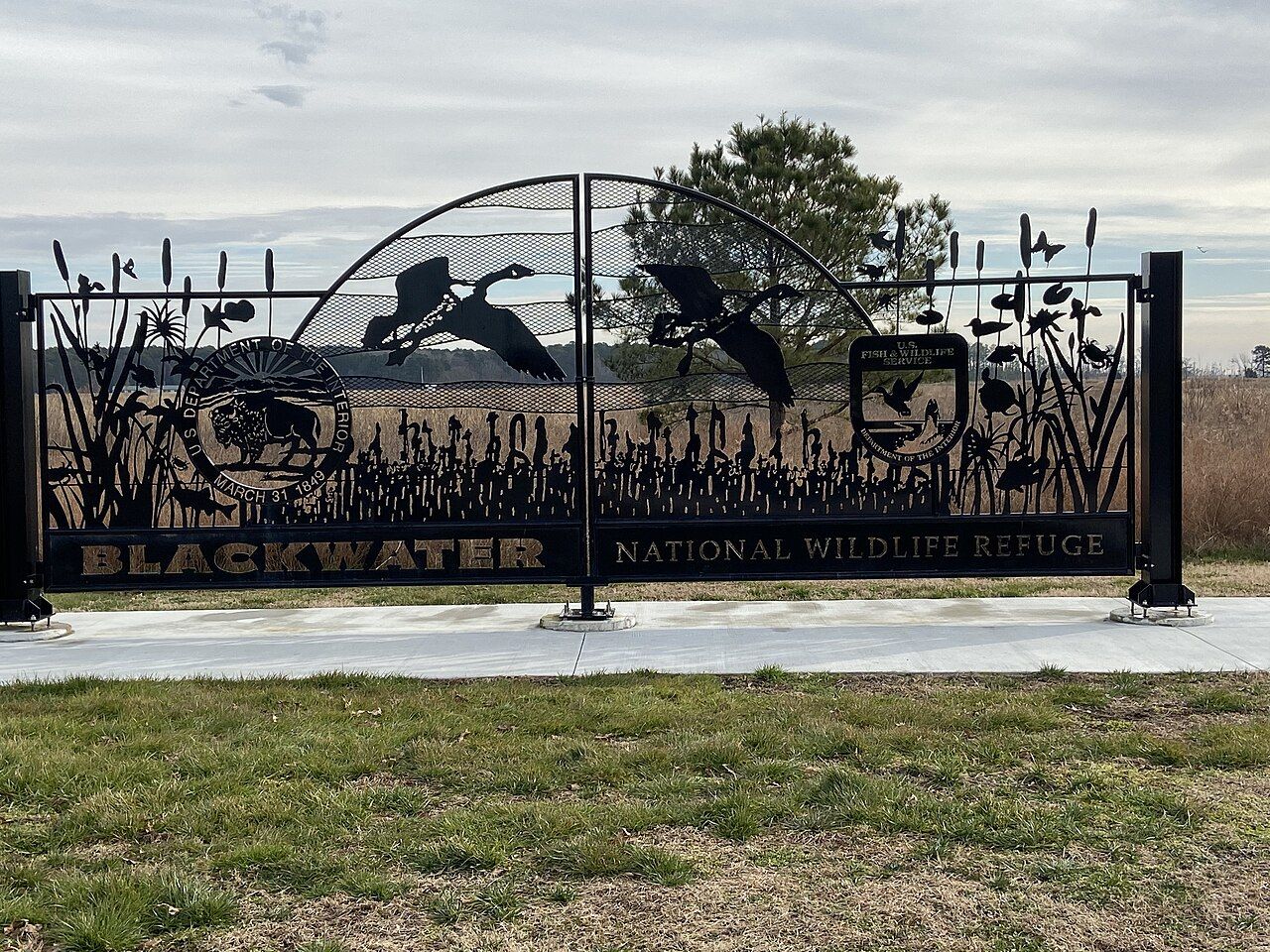
Drive slowly, with your windows down. Pull over in the marked areas and let the birds come to you. Many visitors make the loop twice, once early and once late, because the light and the birds change through the day. The visitor center, near the entrance on Key Wallace Drive, has maps, exhibits and staff who can tell you what has been seen recently.
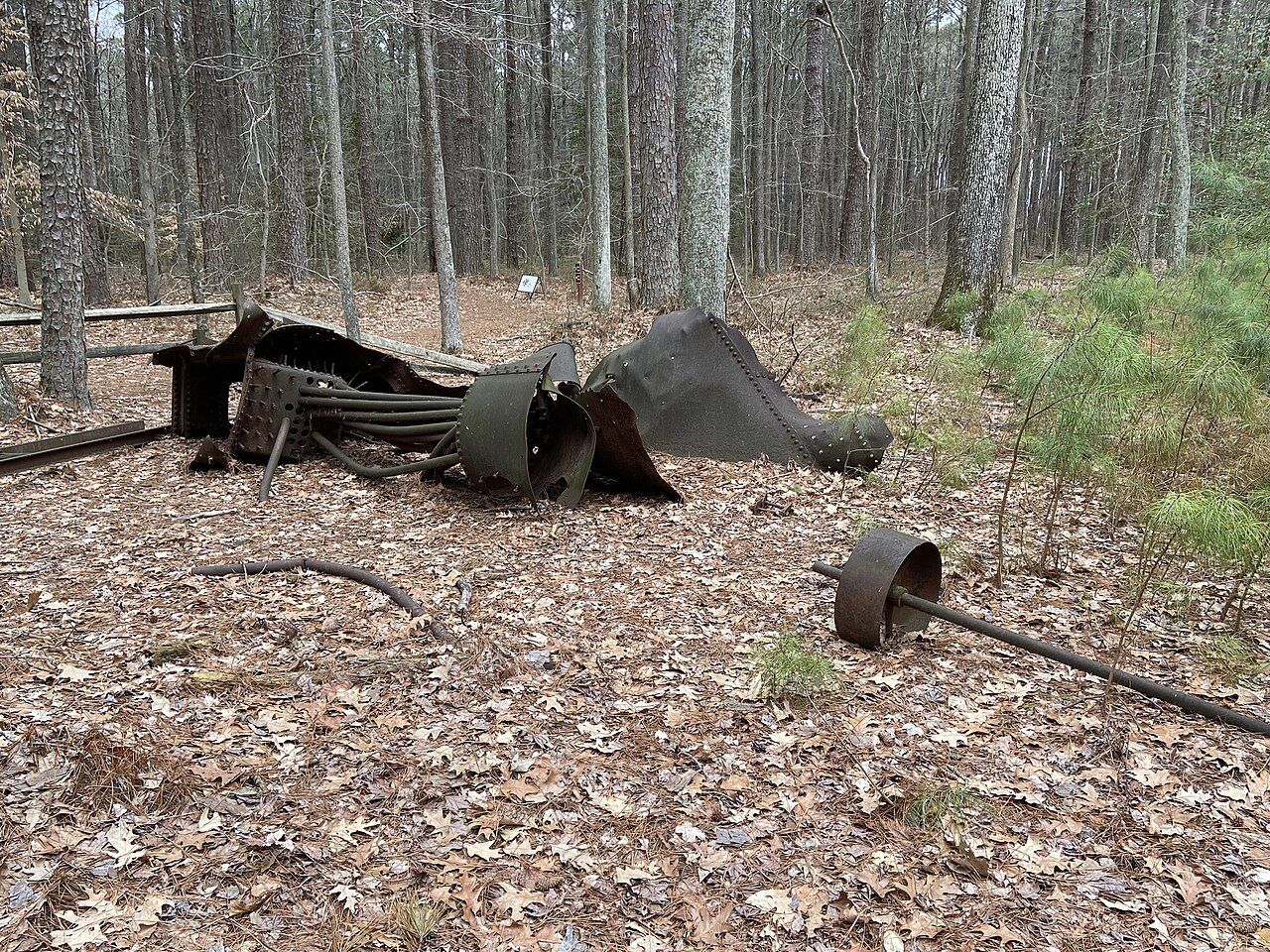
Short walking trails branch off the drive. The Marsh Edge Trail runs along the water, and the Woods Trail loops through loblolly pine and hardwood forest. Along the Woods Trail you pass the rusted wreckage of a steam engine, believed to be from a lumber mill that operated here in the late nineteenth century.
Other wildlife shares the drive. The Delmarva fox squirrel, a large, pale gray squirrel once found in only a few places on the peninsula, is often seen in the refuge's woods. It was protected for decades as an endangered species and has recovered well enough to be removed from the list. White-tailed deer and sika deer graze the field edges at dawn and dusk, and muskrats leave their lodges in the marsh. In warm months, look for turtles on logs and snakes crossing the road.
Eagles
Blackwater is known above all for bald eagles. The refuge holds one of the largest breeding concentrations of bald eagles on the Atlantic coast north of Florida, and in winter, birds from further north swell the numbers. You can often see several from a single pull-off, perched on snags or wheeling over the marsh.
The best time is from late fall through early spring, when the trees are bare and the eagles are nesting or gathering on the marsh. Look for the white heads first. Immature eagles, mottled brown and white, are harder to pick out but just as common.
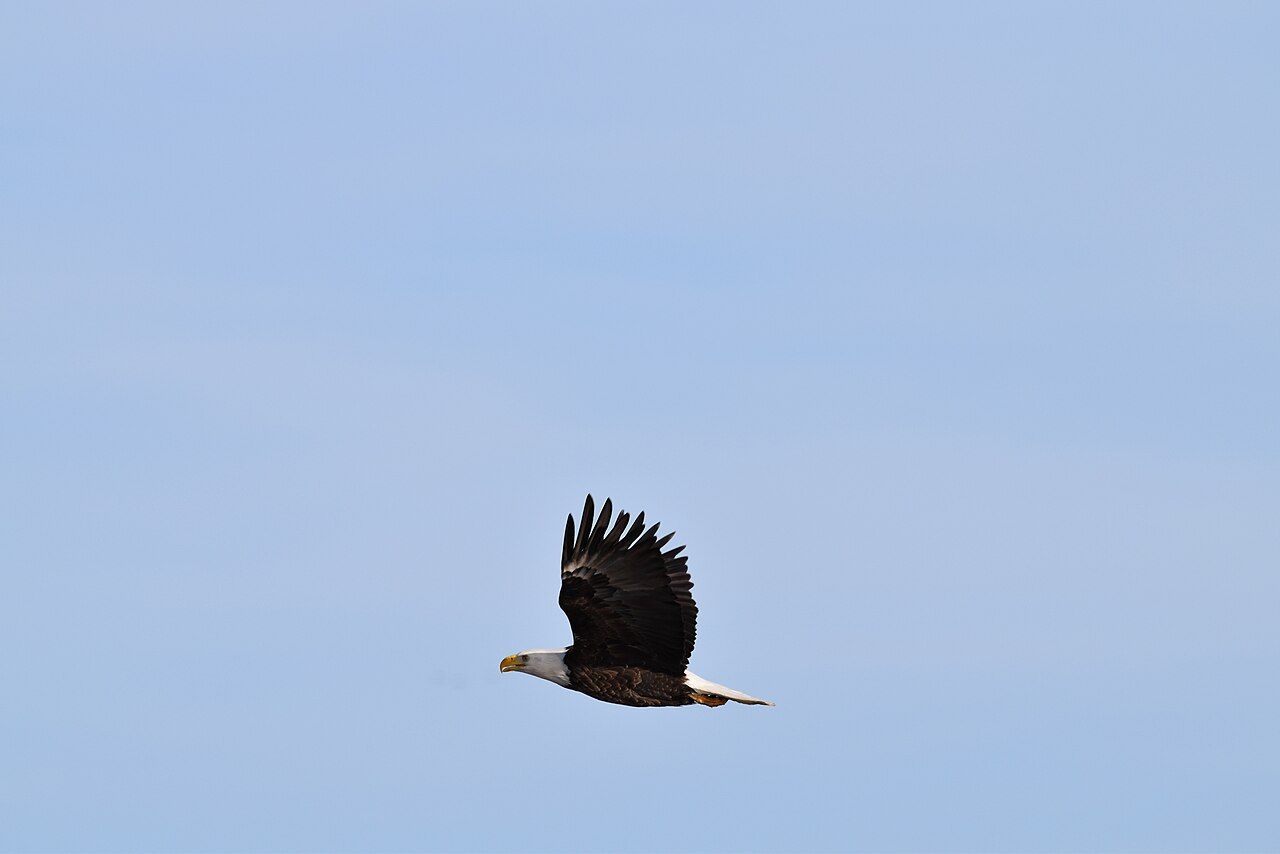
Look for the white heads first.
Winter geese and ducks
Blackwater was created for waterfowl, and winter is still its great season. Canada geese, snow geese, tundra swans and many species of ducks arrive from the north in the fall and stay until early spring. On the best days, the sky fills with skeins of geese and the sound carries across the marsh.
Look across the pools for the different shapes and sizes. Tundra swans are the largest, white and long-necked. Snow geese often travel in great flocks that rise all at once. Ducks such as pintails, wigeon and teal sit further out on the water. In early spring, before the winter birds leave, the numbers can be at their highest.
Bring binoculars and, if you have one, a spotting scope. Dress warmly: the wind off the marsh is cold, and the drive is exposed. The birds are most active early and late in the day.
Also enteredThe Harriet Tubman Underground Railroad bywayA marsh losing ground
Blackwater is also one of the clearest places on the East Coast to see the effects of rising water. Since the refuge was founded, thousands of acres of marsh have turned into open water. The causes are several: rising sea level, land slowly sinking, saltwater moving into freshwater marsh, and, for decades, damage from nutria, an introduced rodent that ate marsh plants down to the roots.
Refuge staff and partners have worked to slow the loss. Nutria have been removed from the area, and projects have placed thin layers of sediment on the marsh to help it keep pace with the water. In some places, the marsh is expected to migrate inland onto former forest and farmland. The dead pines you see standing in the marsh, often with eagles on them, are a sign of that change: trees killed by salt as the water moves in.
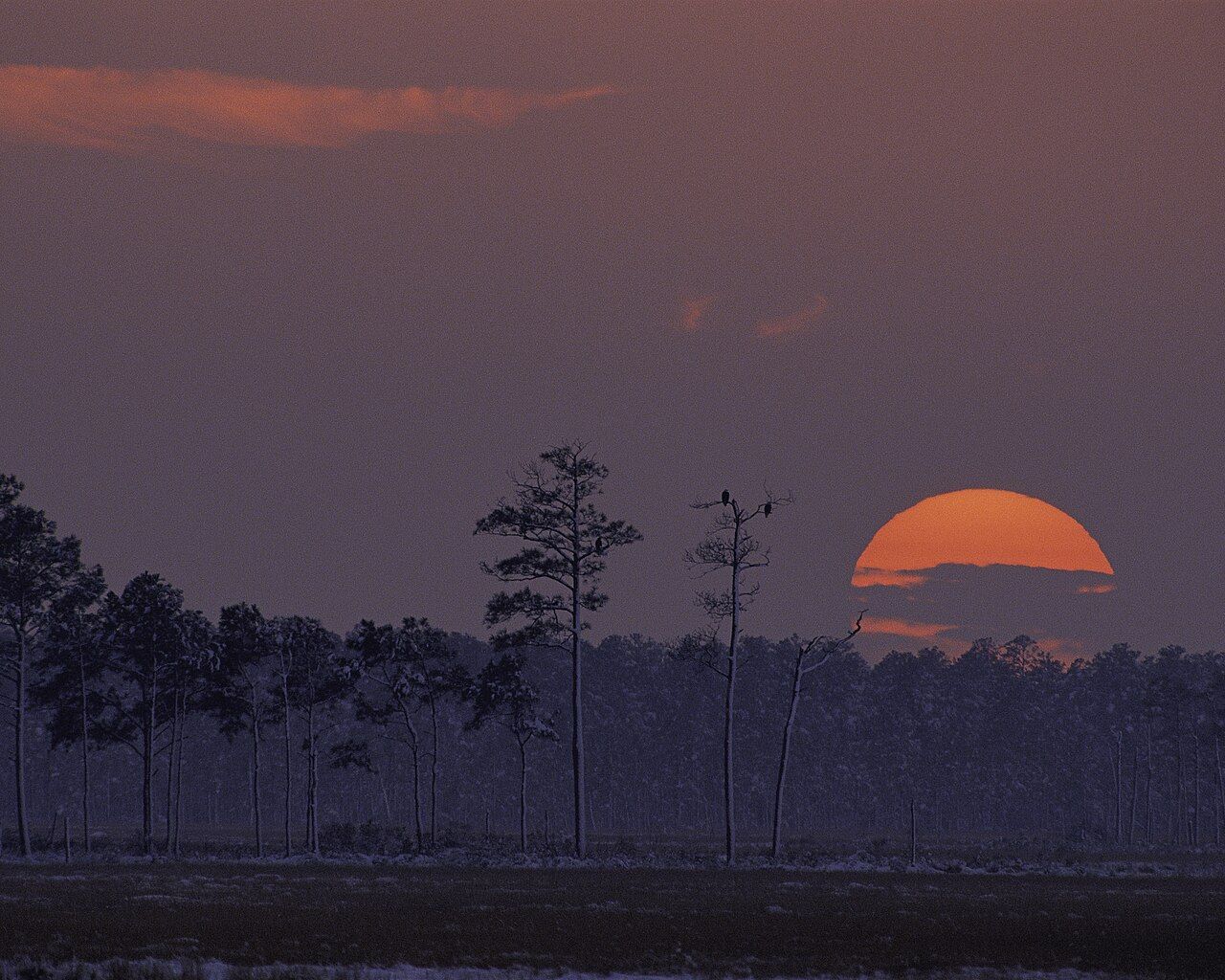
The refuge also has a long human history. Old farmhouses stand in some of its fields, and the land around it was the country of the Harriet Tubman Underground Railroad byway, which passes the refuge. Tubman grew up and worked in this landscape of forest, marsh and water.
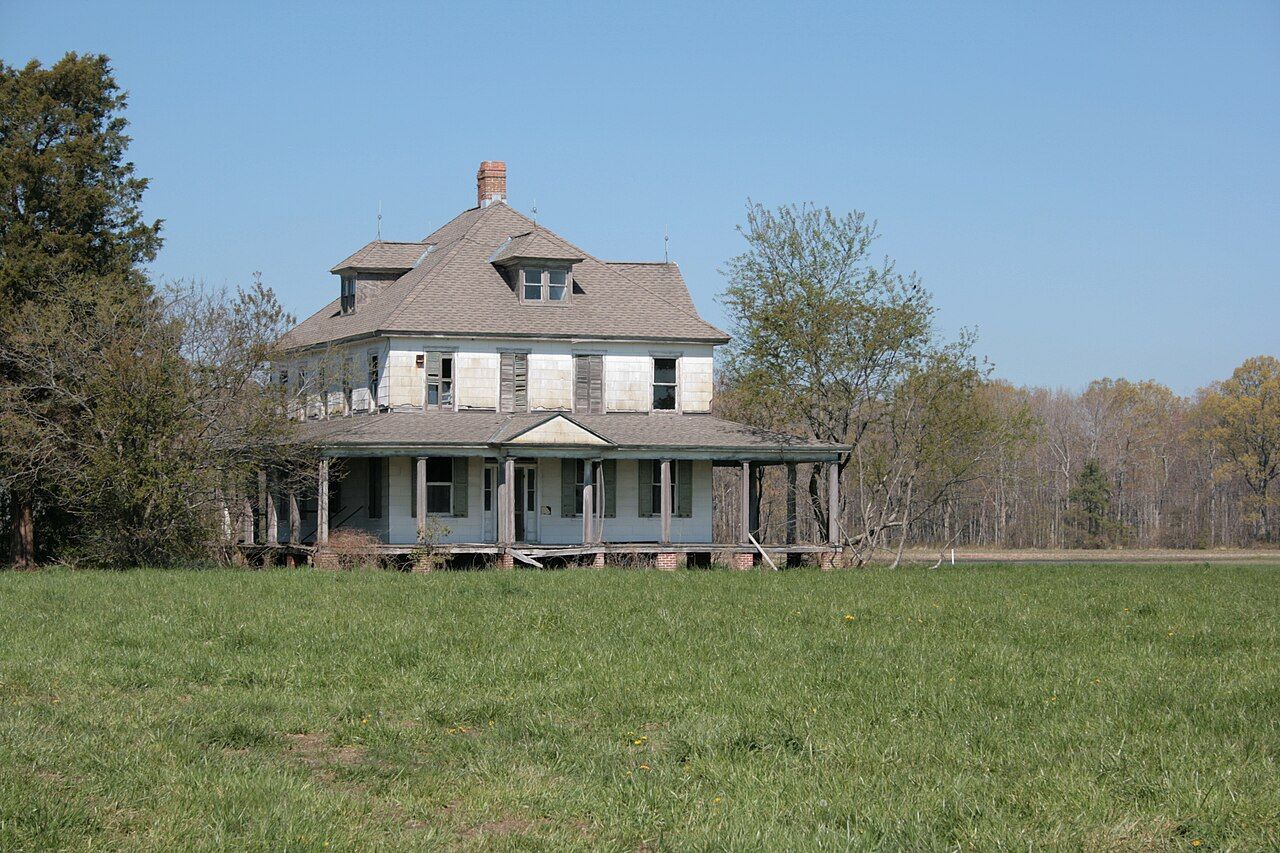
Paddling, cycling and the seasons
The refuge has marked paddling trails on the Blackwater River and its tributaries. Paddling here is best in spring and fall, on calm days. The marsh is exposed, the wind can rise quickly, and channels look alike. Carry a map, tell someone your route and check the weather before you launch.
The flat roads around the refuge are good for cycling, and many riders combine the wildlife drive with longer loops through the surrounding farmland, as described in our guide to cycling the flat Shore. Be visible and carry water. Traffic is light but fast on some roads.
Summer is hard. Heat, humidity, biting flies and mosquitoes make it the least pleasant season, though ospreys and herons are busy. Spring brings warblers and nesting birds. Fall brings the first geese. Winter is the time most birders come, and for good reason. For how the whole region shifts through the year, see our guide to the Shore through the year.
Photographers come in every season, especially for the eagles and the sunsets over the marsh. A long lens helps, and the car makes a useful blind: many birds tolerate a vehicle more than a person on foot. Keep to the roadside pull-offs and never stop in the travel lane.
- The refuge is about twenty minutes south of Cambridge by car.
- There is an entrance fee for the wildlife drive. Federal passes are generally accepted.
- Stay in your car or on trails where marked, and do not approach nests.
- Combine your visit with the nearby Tubman visitor center and Cambridge on the Choptank.