
River towns · Chestertown
Chestertown on the Chester River
Kent County's old port is a town of brick houses facing a broad river, with a college George Washington lent his name to and a spring celebration of a tea-party story.
Chestertown sits on a gentle bend of the Chester River, a broad tidal river in the upper part of the Eastern Shore. From the water, the town presents a row of tall brick houses with chimneys and dormers, set behind lawns and trees along the riverbank. Behind them, the streets climb gently toward a green college campus and a shady park. It is one of the best preserved colonial river towns in Maryland, and it rewards a slow walk and a long look at the water.
A colonial port on the Chester
Chestertown was laid out in the early eighteenth century and became the seat of Kent County. In 1706 it was named a port of entry, and through the colonial period it shipped tobacco, grain and timber and received goods from England and the other colonies. Merchants built handsome brick houses near the waterfront, many of which still stand.
Water Street, along the river, holds the most impressive of them: large Georgian and Federal houses with fine brickwork, doorways and gardens running down toward the river. Further back, High Street and the streets around it hold a mix of colonial, Federal and Victorian buildings, with brick commercial blocks near the center of town. The town's historic district is one of the most complete in the state, and much of it is still lived in and used every day.
Fountain Park, a small green at the heart of town, has an ornate cast-iron fountain and is the scene of a seasonal farmers market and other gatherings. It is a good place to start a walk.
The tea-party story
Chestertown's best known story concerns tea. In 1774, as colonists protested British taxes, residents adopted resolutions against the importing and drinking of taxed tea. Local tradition says that a group of townspeople then boarded a ship in the harbor and threw its cargo of tea into the river, in the spirit of the more famous Boston event.
The documentary record for the boarding itself is thin. Historians accept that resolutions were passed, but the dramatic dumping of tea is better treated as a cherished local tradition than as a firmly documented event. Either way, the town celebrates it each spring with a festival that includes a reenactment on the river, parades and colonial costumes.
Also enteredEastern Neck, where the swans spend the winterWashington College
Washington College was founded in Chestertown in 1782, one of the oldest colleges in the United States. George Washington gave permission to use his name and made a donation to the new institution, and he later served on its board of visitors and governors. The campus, with its brick buildings and lawns, lies on the upper side of town and makes a pleasant walk from the waterfront.
The college shapes much of the town's life, with lectures, concerts and exhibitions often open to the public. It also has a strong interest in the river and the bay, and its programs in environmental studies and history connect the campus to the wider region.
Tall ships, skipjacks and the river
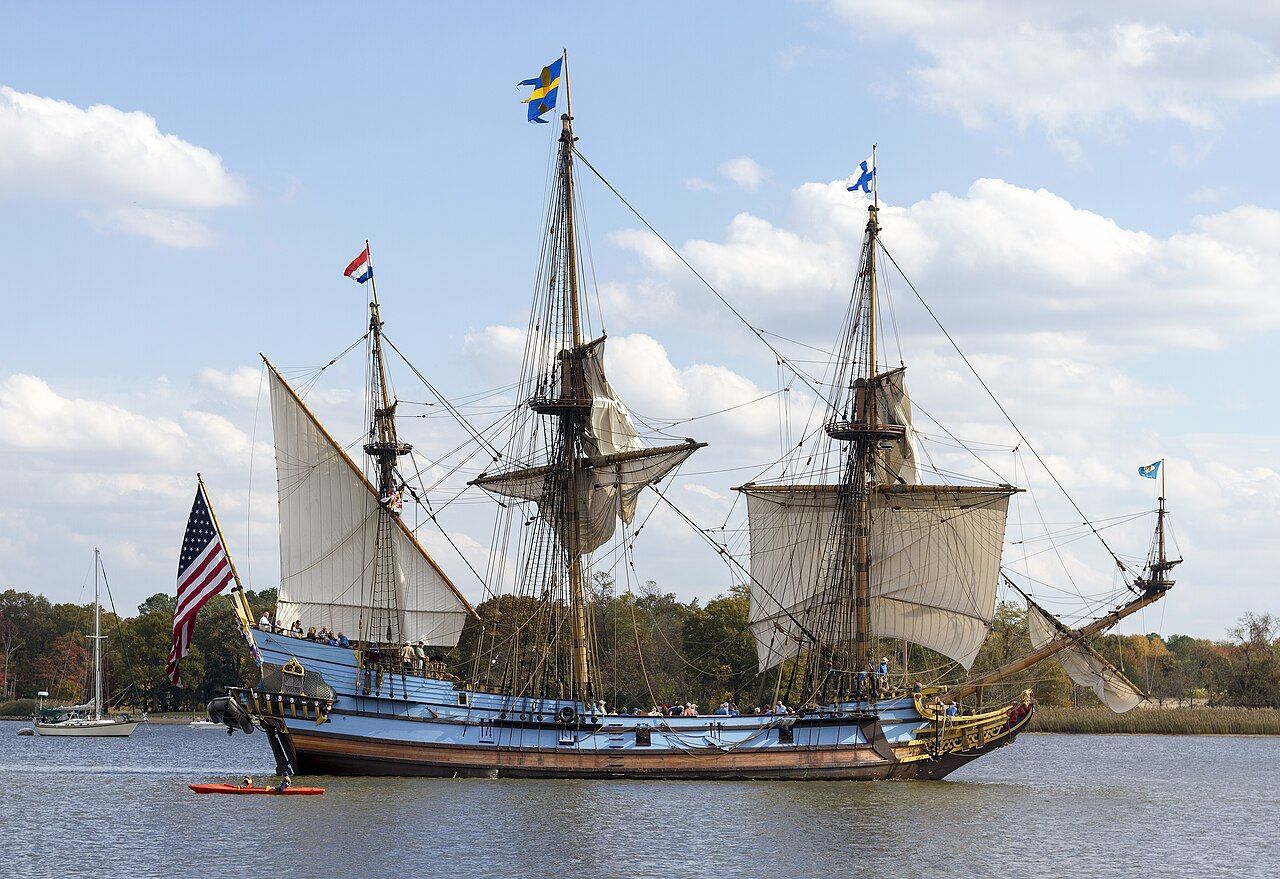
The Chester River is a broad, tidal river that flows into the bay below Chestertown, and the town's waterfront has a long tradition of sail. A replica of a colonial-era schooner is based here and used for education on the river, and each autumn the town hosts a gathering of tall ships and traditional vessels that fills the river with masts and sails.
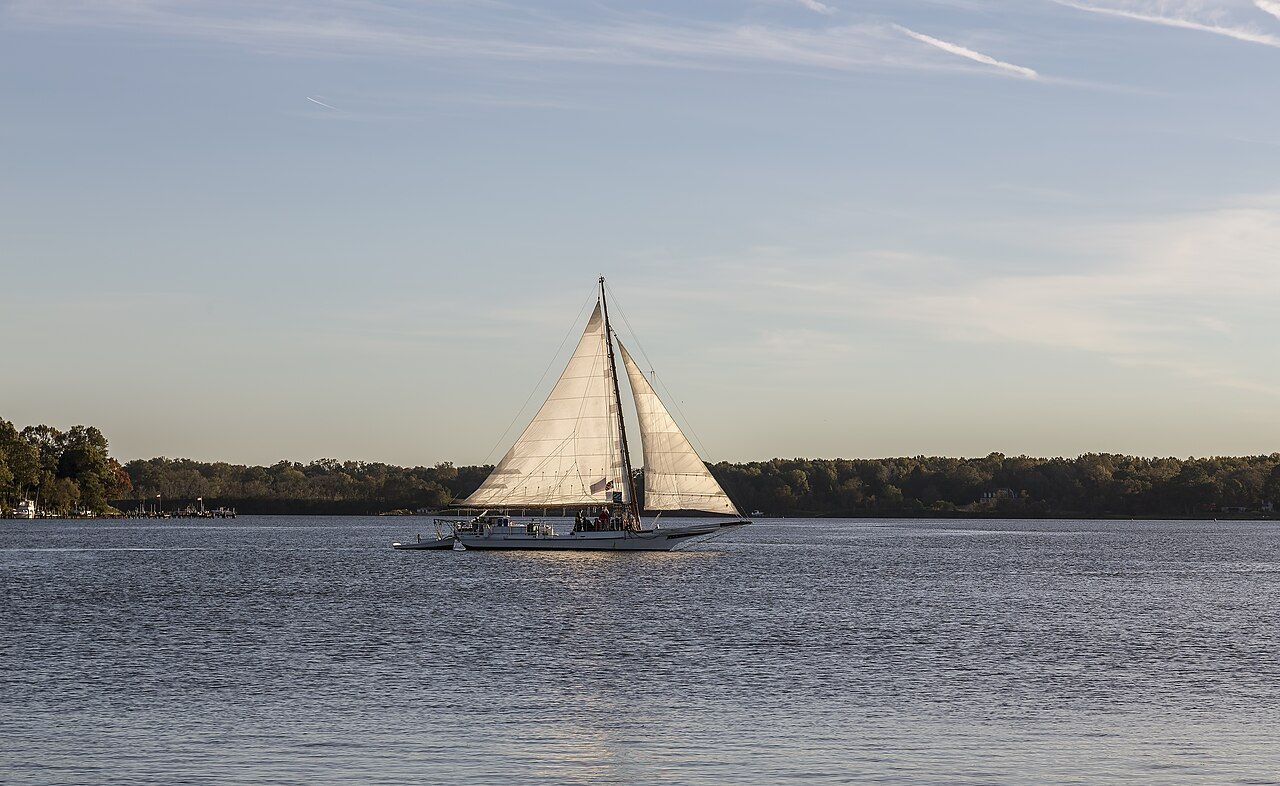
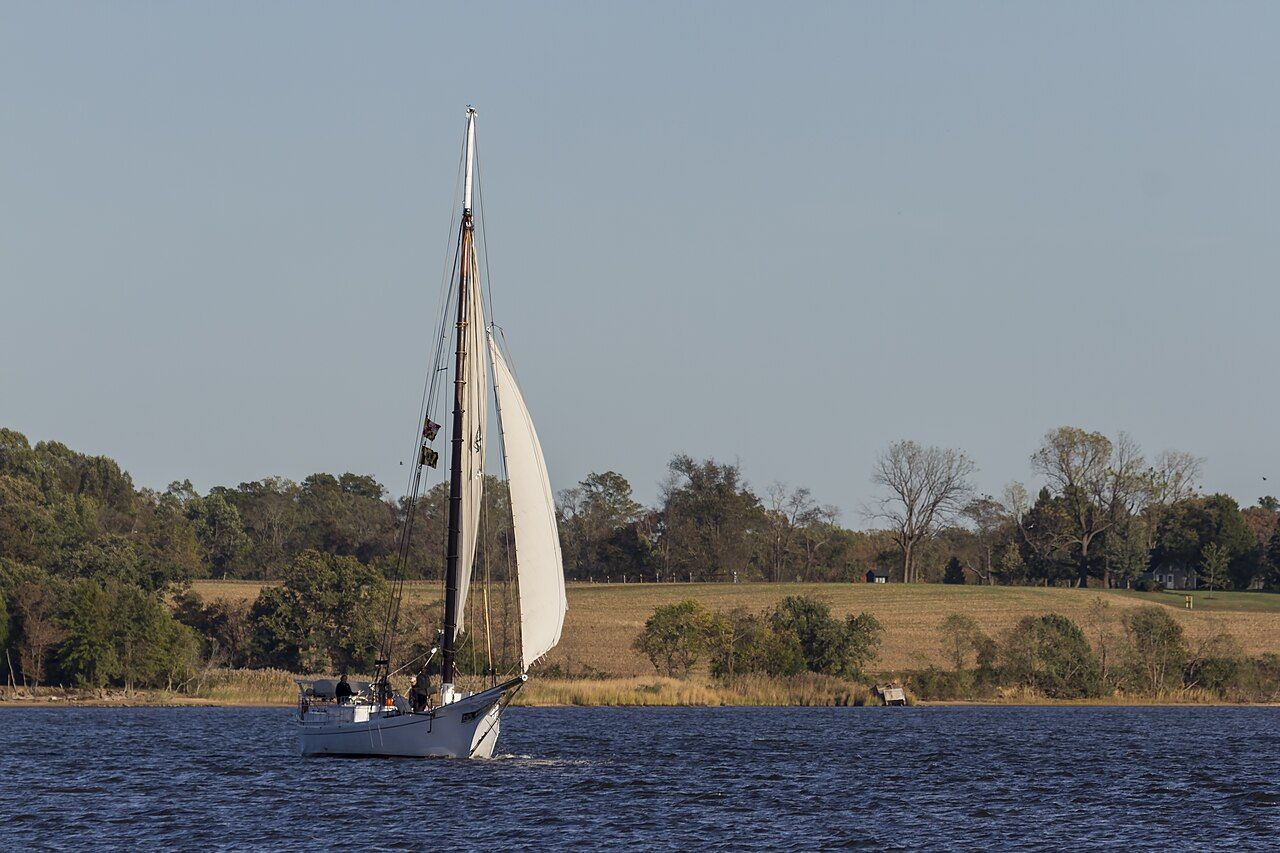
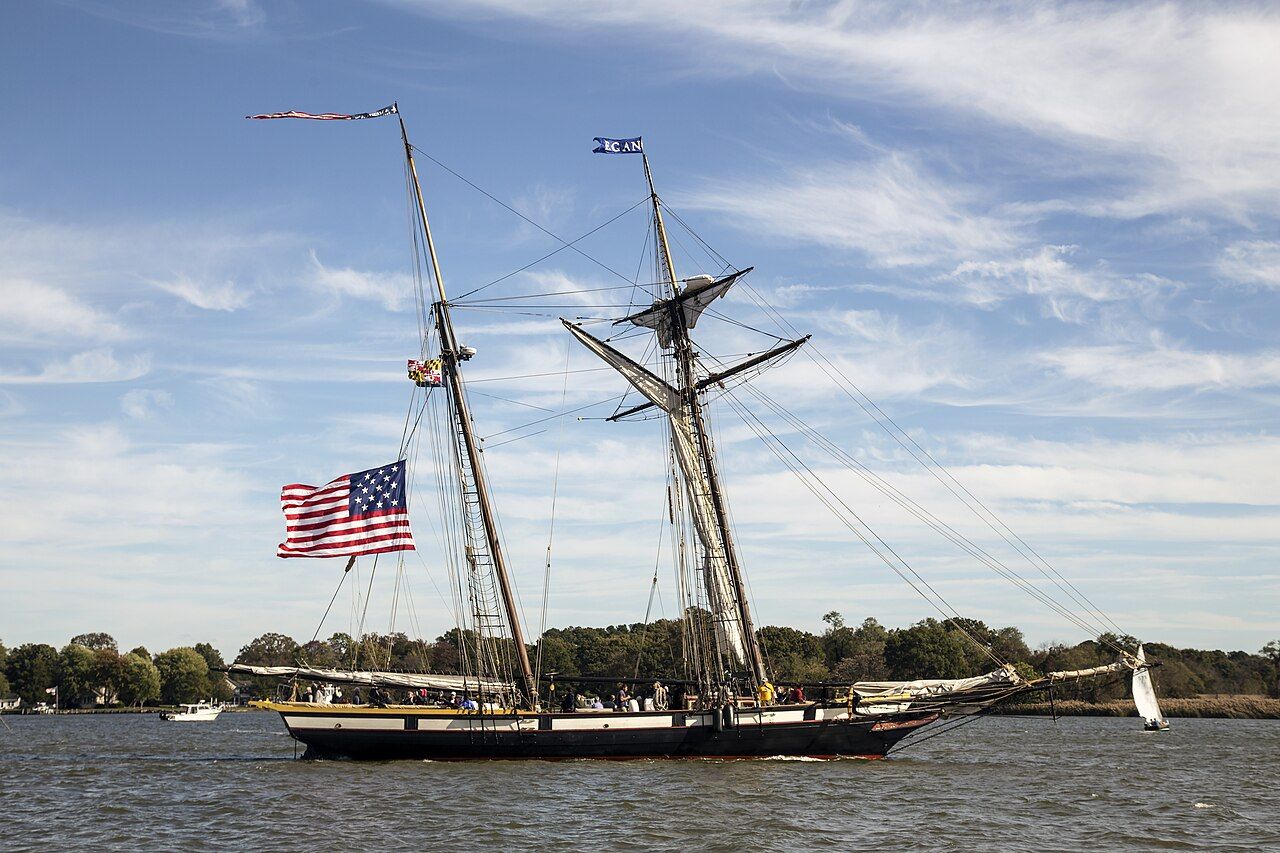
Visiting boats have included replicas of colonial ships, a reproduction of a privateer schooner from the War of 1812, and several working skipjacks, the sailing oyster dredgers of the Chesapeake. Watching a skipjack under sail on the Chester is a fine way to understand the bay's working past; to learn more about those boats and the watermen who sailed them, see Tilghman Island and the skipjacks and our guide to oysters and the watermen.
Around Chestertown, and planning a visit
Kent County is a quiet, rural place of farms, woodlands and creeks, and the roads around Chestertown are good for driving and cycling. Downriver, near where the Chester meets the bay, Eastern Neck and the tundra swans offers trails and some of the best winter birdwatching on the Shore. To the south lies Queen Anne's County and the route back to the Bay Bridge; see Kent Island and the Bay Bridge.
Tips for a visit
- Late spring and autumn bring mild weather and the town's main festivals.
- Summer is warm and humid; walk early or late, and rest in the shade of the waterfront park.
- Winter is quiet, and the river and nearby refuge fill with waterfowl.
- Many of the historic houses are private; admire them from the street or the river.
- Check festival dates and college events before you go.
Then walk down to the waterfront at the end of the day, look back at the brick houses in the evening light, and watch the river run toward the bay. It is easy to see why the town's founders chose this spot, and why so much of what they built is still here.