
Marsh and wildlife · Eastern Shore
The Shore through the year
On the Eastern Shore the calendar is written by birds, water and weather: ospreys in March, crabs in summer, geese in autumn, swans in winter. Each season is a different trip.
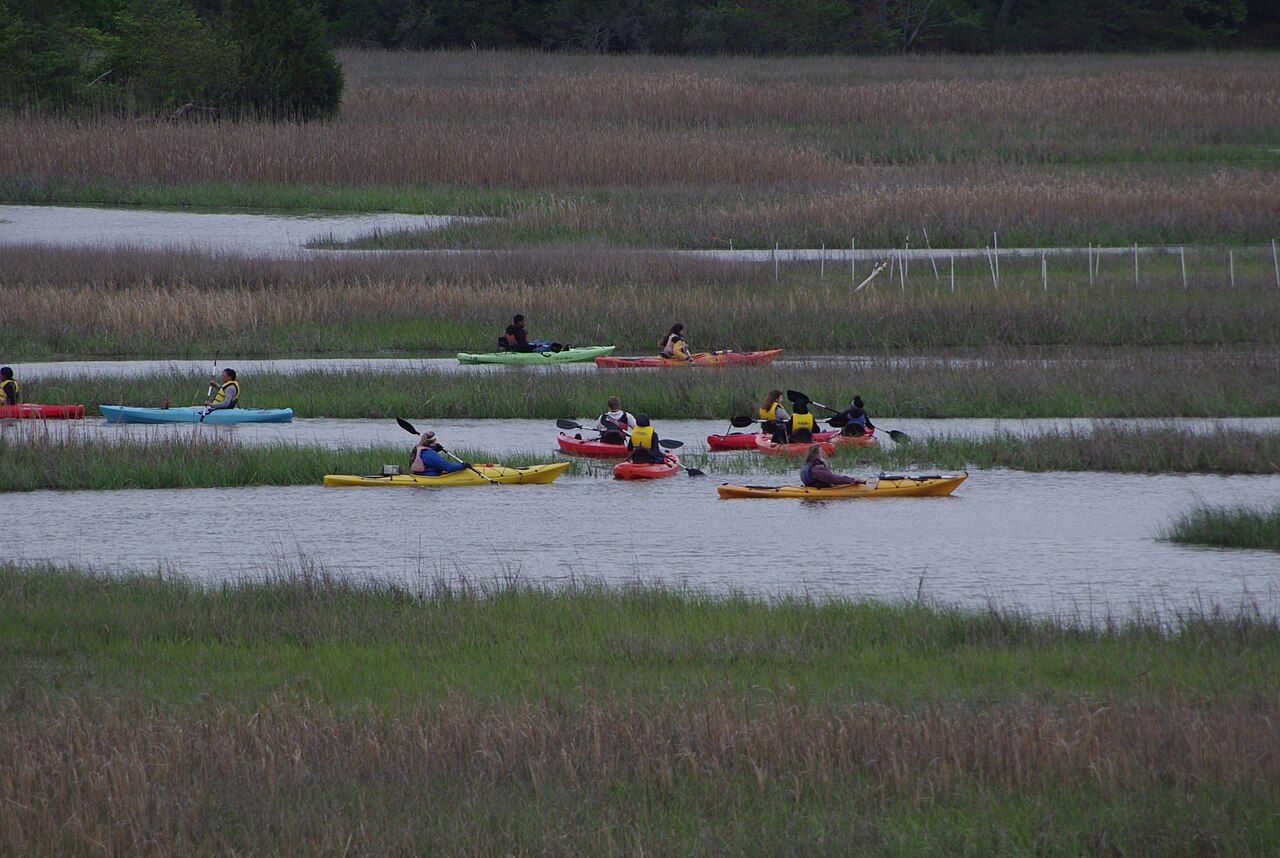
The Eastern Shore is low and flat, laced with rivers and creeks, and almost everywhere you go you are close to tidal water. That makes the seasons unusually easy to read here. Birds arrive and leave on schedule, the water warms and cools, and the work on the bay changes with it. Choosing when to come is really choosing which Shore you want to see.
Spring: ospreys and green marsh
The year on the Shore starts with ospreys. These fish-eating hawks winter far to the south and return to the Chesapeake in March, often around the middle of the month. Within days they are back on their nests: on channel markers, duck blinds, platforms in the marsh, and the tops of dead trees. The Chesapeake has one of the largest osprey populations in the world, and by April you will see their bulky stick nests from almost every bridge and causeway.
Spring is a season of quick changes. The marshes turn green from the roots up, dogwoods and redbuds bloom along the back roads, and farm fields are plowed and planted. Migrating songbirds pass through the woods in late April and May. The weather can swing from cold and raw to warm in a single week, and the wind on the bay can be strong, so pack layers.
Late spring is one of the best times to visit. Towns are awake but not crowded, the bugs have not yet hit their peak, and the first soft-shell crabs of the year appear in late spring. It is also good weather for cycling the flat back roads before the summer heat arrives.
Summer: heat, crabs and nettles
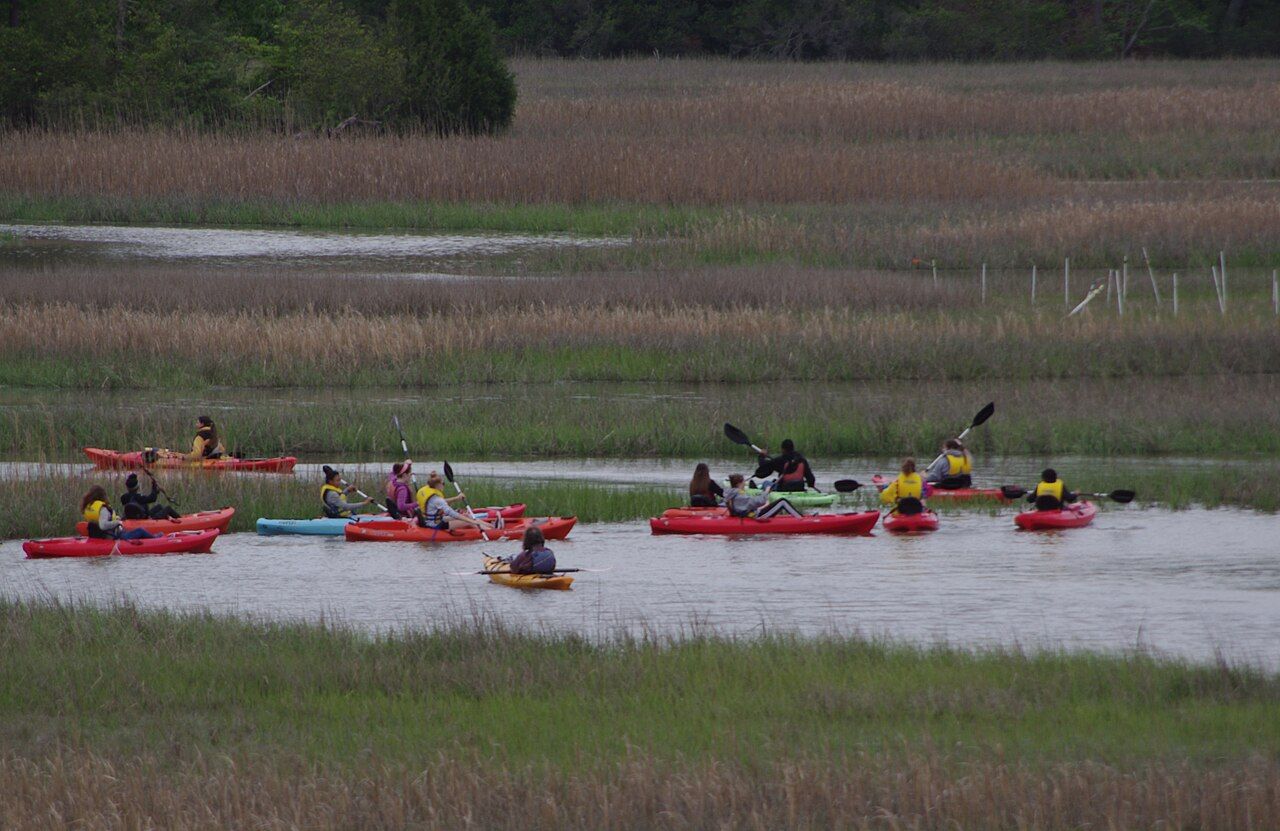
Summer on the Shore is hot and humid, with afternoon thunderstorms that build quickly over the flat land and the open water. Get on the water or the trails early in the day, carry plenty of water, and keep an eye on the western sky in the afternoon. Lightning over open water is a serious danger, and storms can arrive faster than you expect.
This is crab season at its height. Workboats are out before dawn, families crab off docks in the evening, and steamed crabs come to the table in piles. For how it all works, see the guide to blue crabs.
Summer also brings sea nettles, stinging jellyfish that drift into the bay's brackish water as it warms, usually from midsummer into early autumn. Biting flies and mosquitoes are thick near the marshes, especially on still evenings, and ticks are common in tall grass. Insect repellent and long sleeves help.
The harbor towns are busiest in summer, especially on weekends, and traffic on US 50 across the Bay Bridge can back up badly on Friday afternoons and Sunday evenings. If you can, travel midweek.
Also enteredEaston in November, when the geese come backAutumn: geese and clear light
Many people who know the Shore well would choose autumn. The heat breaks in September, the humidity drops, and the light turns clear and golden. Crabs are often at their heaviest in early autumn, and the harvest moves through the farm fields as corn and soybeans come in.
Then the geese arrive. Canada geese and snow geese come down from the north through October and November, and the sight and sound of big flocks moving over the fields at dusk is one of the great pleasures of the season. In November, Easton hosts its long-running festival of wildlife art and decoys, a celebration of the waterfowl that have shaped the Shore's culture for centuries. Read more about Easton in November.
Autumn is also hunting season, and you will hear shotguns at dawn on many marshes and fields. Some refuges and parks close parts of their land on certain days for managed hunts.
Winter: swans, eagles and quiet towns
Winter is the Shore's quiet season. Many seasonal businesses close or cut back, some ferries and attractions stop running, and the harbor towns are calm. The wind off the bay can be bitter, and an occasional snowfall shuts down the back roads for a day or two.
For wildlife, though, winter is a high point. Tundra swans arrive from the Arctic and gather in the coves, ducks raft up on the rivers, and bald eagles are easy to find. The marshes of Blackwater in Dorchester County are known for winter eagles and huge flocks of waterfowl, and Eastern Neck at the mouth of the Chester River is a good place to hear swans calling on a cold morning.
Winter is also oyster season, when workboats go out in the cold to tong and dredge, and oysters appear on tables across the Shore.
Choosing your season
- For birds, come in winter for swans, eagles and waterfowl, or in spring and autumn for migration.
- For crabs and time on the water, come between June and September, and be ready for heat.
- For walking the towns and cycling, aim for May, late September or October.
- For quiet, come in winter.
Whatever you choose, keep an eye on the wind and the tide. On a flat shore surrounded by water, they shape the day more than the calendar does.