
River towns · Cambridge
Cambridge on the Choptank
Dorchester County's seat faces one of the widest rivers on the Shore. Cambridge pairs a brick historic district and a working waterfront with the beginning of Harriet Tubman's country.
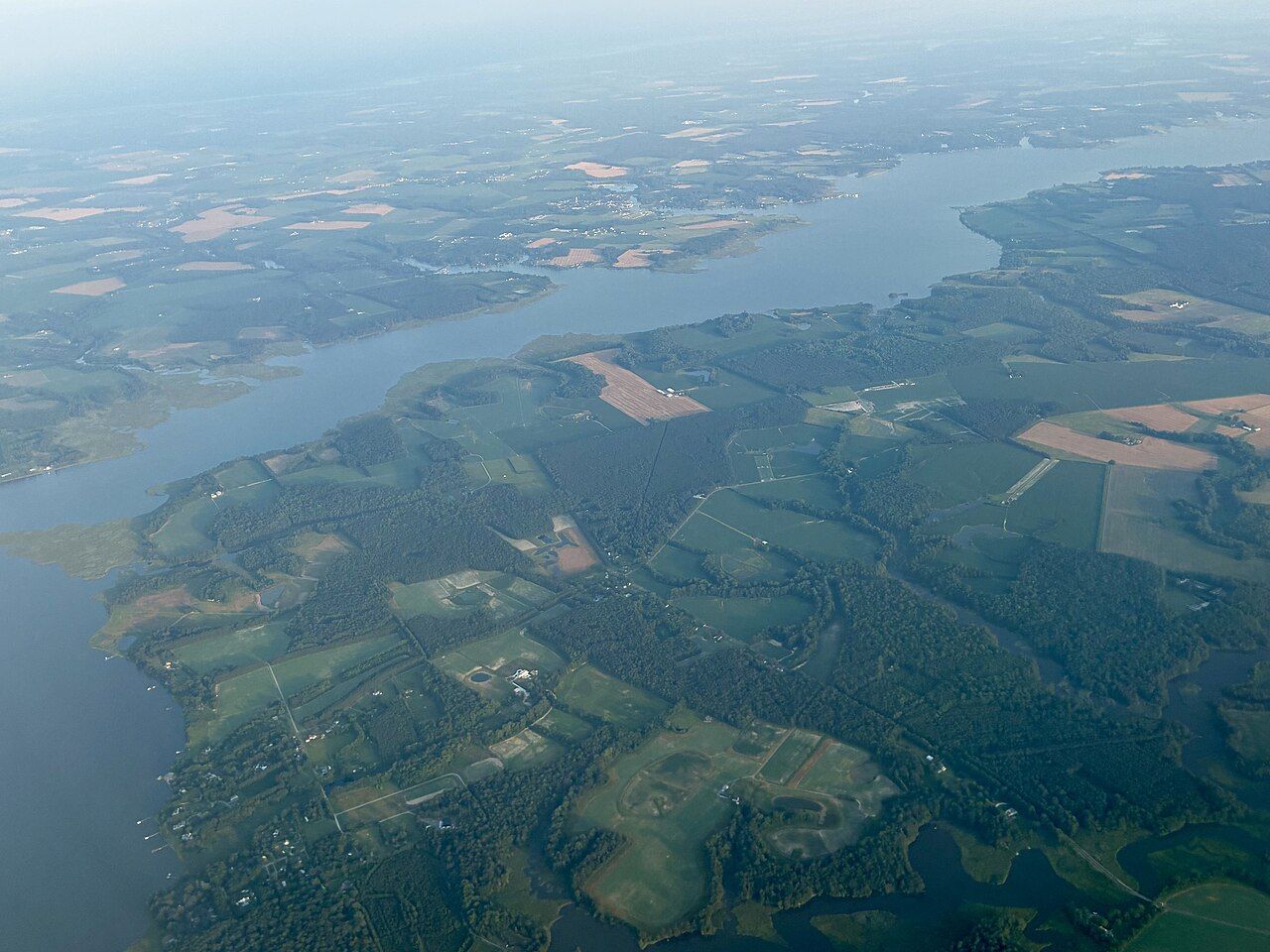
Cross the long bridge on US 50 into Cambridge and the Choptank River spreads out on either side, more than a mile wide, flat and bright. Cambridge sits on its south bank, near where the river opens into the bay, and it has faced that water since colonial times. The county seat of Dorchester is larger and more working than the towns of Talbot to the north, with a brick historic district, a deep harbor and a waterfront that keeps reinventing itself. It is also the gateway to the marshes and the country of Harriet Tubman.
The Choptank River
The Choptank is the longest river on the Delmarva Peninsula, rising in Delaware and flowing through Caroline County before widening into a broad tidal estuary that separates Talbot and Dorchester counties. Upstream, at towns like Denton, it is a modest river edged with woods and marsh plants. By the time it reaches Cambridge it is a wide expanse of open water, and below the town it meets the bay.
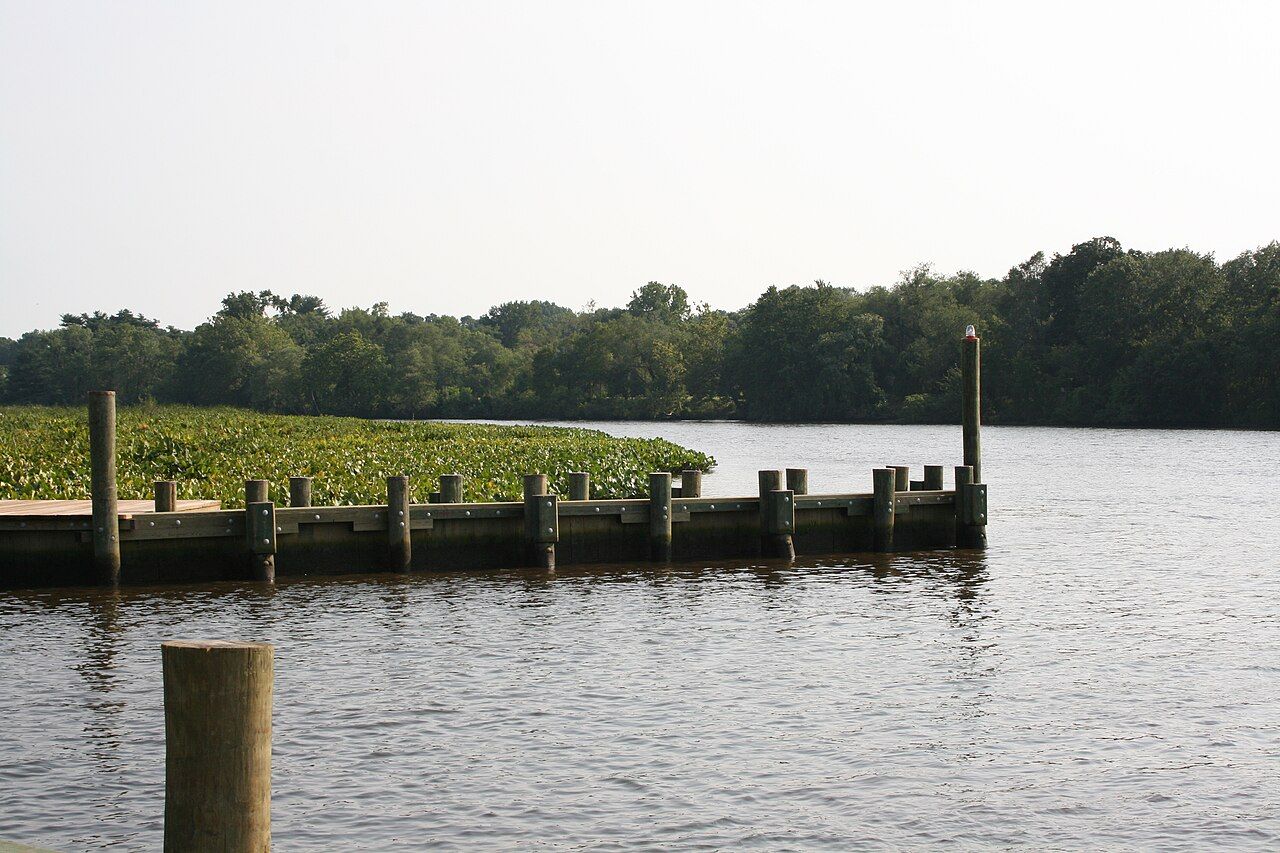
The river shaped the town. Steamboats once linked Cambridge with Baltimore, and canneries, packing houses and boatyards lined the creek that forms its harbor. Oysters, crabs and the vegetables and fruit grown on Dorchester's farms passed through those plants on their way to markets across the country. Much of that industry has gone, but the harbor still shelters workboats as well as pleasure craft.
The waterfront and the lighthouse replica
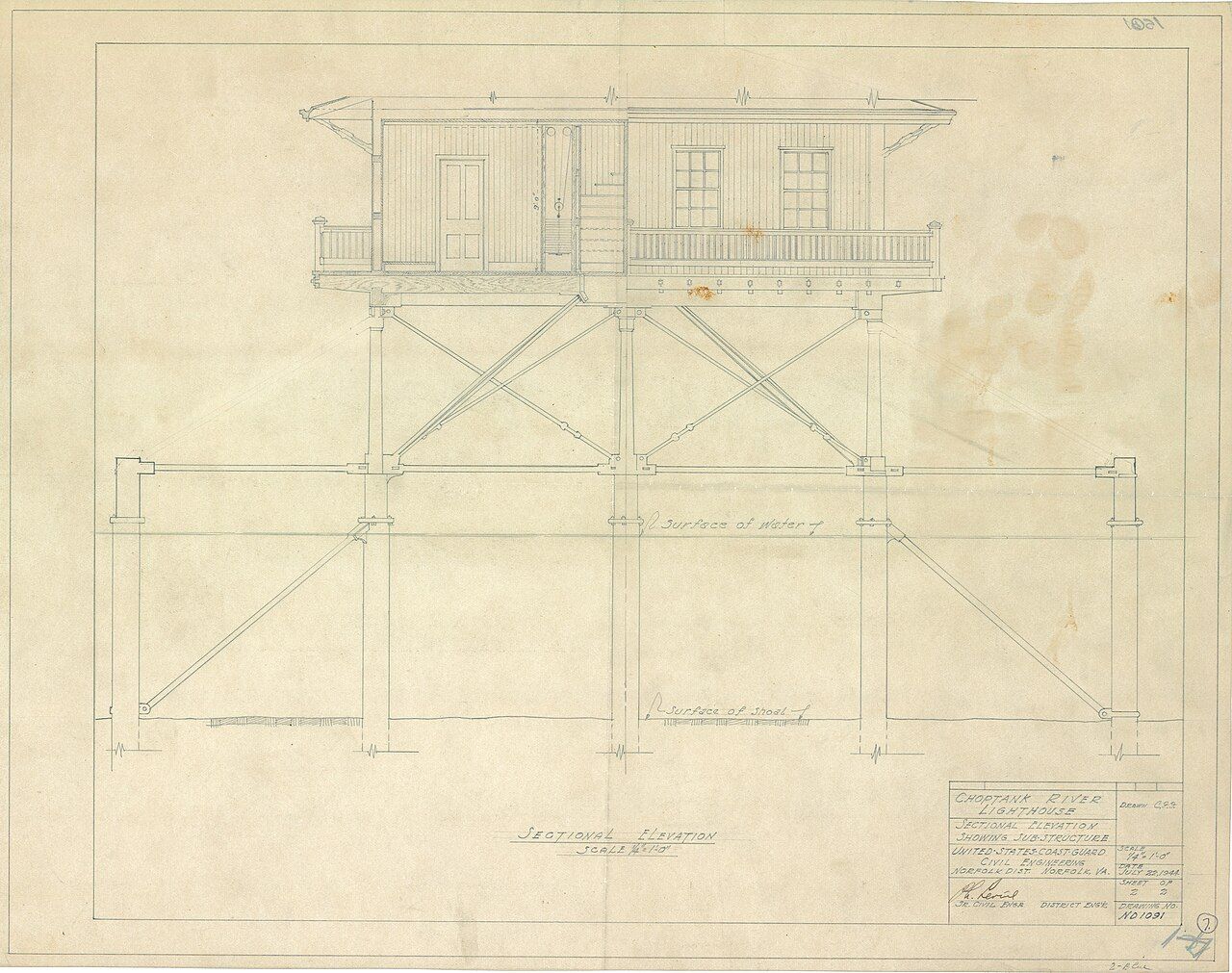
The waterfront at Long Wharf is a park with lawns, benches and a long view across the river. At its end stands a white hexagonal house raised on iron legs over the water: a replica of the screwpile lighthouse that once marked the river's channel, completed in 2012. Screwpile lights stood on piles driven into the soft bottom of the bay, and dozens of them once guided boats through its shallows. The replica houses a small exhibit about the light and its keepers.
Its design draws on the old drawings of the light that stood out in the river. If you want to see a real screwpile lighthouse from the nineteenth century, the Chesapeake Bay Maritime Museum keeps one at St. Michaels on the Miles River.
The Richardson Maritime Museum in town tells the story of Dorchester boatbuilding, from log canoes to the bugeyes and skipjacks that worked the bay, and a related boatworks along the harbor keeps those skills alive.
High Street and the historic district
Cambridge's historic district runs back from the water along High Street, Water Street and the streets around them. High Street, wide and lined with trees, has some of the finest houses in the county: Federal and Georgian brick houses, Victorian houses with deep porches and handsome later homes, many from the decades when the town's canneries and lumber trade were at their height.
Christ Church, an Episcopal parish founded in colonial times, stands near the center of town. The present church dates from the nineteenth century, and its old graveyard holds the graves of several Maryland governors and many early Dorchester families. Downtown, along Race Street and Poplar Street, are the brick commercial blocks of the town's busy era, some restored, some still waiting.
Cambridge also played a significant part in the civil rights movement. In the early 1960s it was the scene of sustained protests against segregation and of serious unrest, and the struggle for equal access to public places and jobs here drew national attention. The history is still close; walk with that in mind.
Harriet Tubman's county
Harriet Tubman was born enslaved in Dorchester County, and she grew up working its fields, forests and waters. After escaping to freedom, she returned again and again to guide others north. Cambridge is the natural starting point for exploring that story.
In the downtown area, the Harriet Tubman Museum and Educational Center keeps her memory present in the town, and a large mural on the side of a nearby building shows her reaching out her hand. It has become one of the most photographed images on the Shore. South of town, near Church Creek, are the visitor center of the Harriet Tubman Underground Railroad National Historical Park and the state park that shares it. The route through the landscape she knew is described in our guide to the Harriet Tubman Underground Railroad byway.
Beyond town, and planning a visit
The marshes begin just south of Cambridge. A short drive brings you to Blackwater National Wildlife Refuge, with its eagles, wintering waterfowl and wide views of marsh and water. Many visitors combine the refuge and the Tubman sites in one day, with Cambridge as a base for meals and a waterfront walk.
Tips for a visit
- Spring and autumn bring mild weather and good birdwatching; winter brings waterfowl and eagles to the marshes.
- Summer is hot and humid, and insects are fierce near the marshes, so bring repellent and avoid dusk if they bother you.
- Low-lying waterfront streets can flood at high tide; take care when parking.
- Check museum and visitor center hours before you go.
Then end your day at Long Wharf, where the river glows in the late light and the lighthouse stands out on its legs over the water. Cambridge may be busier and plainer than its neighbors to the north, but its river is the grandest on the Shore.