
River towns · Oxford
Oxford and the little river ferry
Once a busy colonial port, Oxford is now a quiet town of leafy streets on the Tred Avon River, reached by a long country road or by one of the oldest ferry crossings in the country.
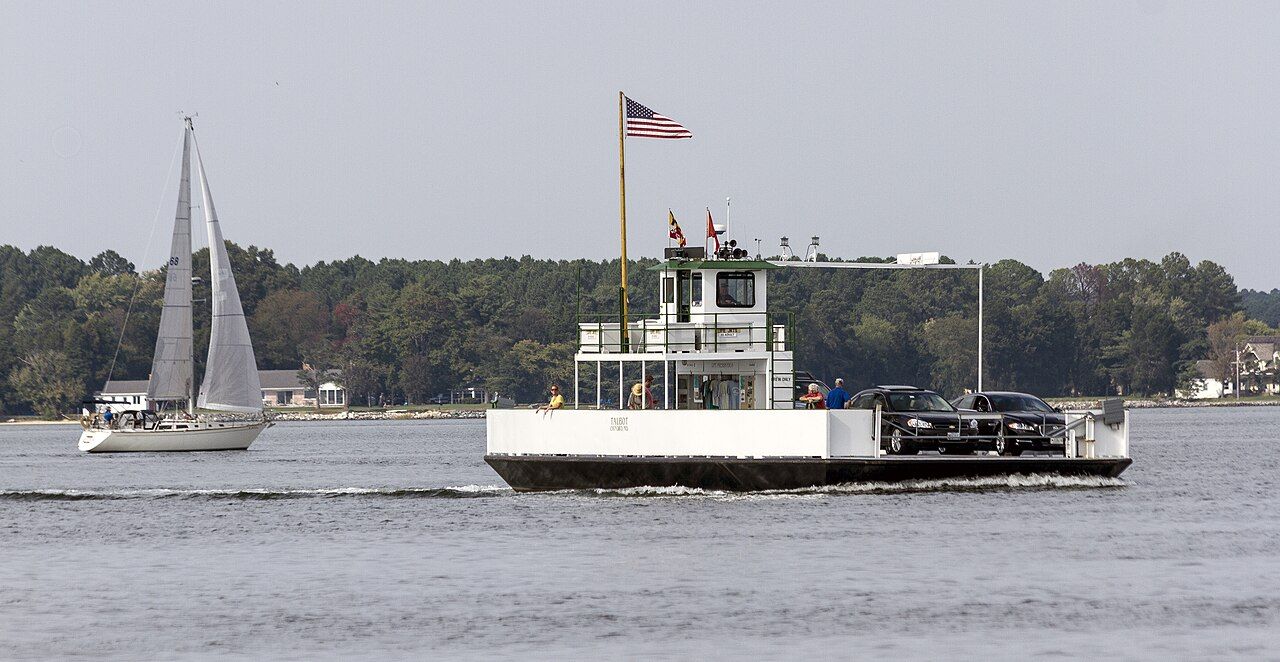
Oxford sits at the end of a long, quiet road on a point of land where the Tred Avon River meets a pair of creeks. It is a small town now, mostly homes, boatyards and a few streets of shade trees, but three centuries ago it was one of the busiest ports in Maryland. The streets still follow the old plan, the water is never more than a few blocks away, and in summer a small ferry carries cars and cyclists across the river as it has, in one form or another, since the seventeenth century.
A colonial port
Oxford is among the oldest towns in Maryland. Settlement here goes back to the seventeenth century, and in 1694 the colonial government named it one of the official ports of entry for the province. Ships from England and other colonies called to load tobacco and unload manufactured goods, and the town became a trading center for the middle of the Eastern Shore.
British merchant firms kept agents here to manage that trade. One of them, Robert Morris, was the father of the Robert Morris who later helped finance the American Revolution and signed the Declaration of Independence. The elder Morris died in Oxford in 1750 after being struck by wadding fired from a ship's gun during a salute. Another figure linked to the town is Tench Tilghman, an aide to George Washington during the Revolutionary War, who is buried in the town's cemetery.
After the Revolution, trade moved to Baltimore and Oxford declined. A railroad arrived in the nineteenth century, and the oyster boom brought packing houses and new life, but the town never regained its colonial importance. That slow century may be what saved its scale and its quiet.
The Strand and the town streets
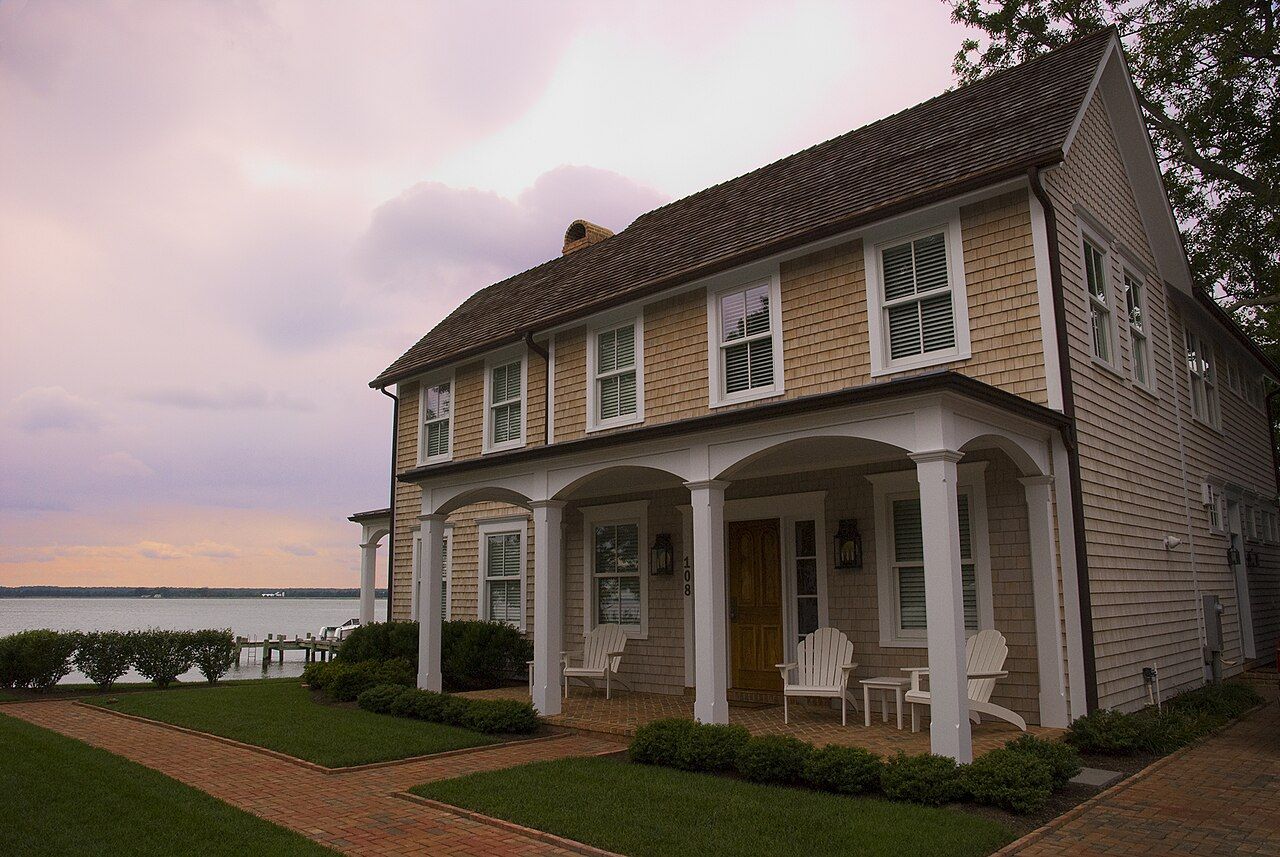
The Strand runs along the waterfront where the Tred Avon opens toward the Choptank. It is a short road with a narrow beach, a few benches and a wide view down the river, and it is where people come to watch sailboats, sunsets and the ferry. On a calm evening it is the most peaceful place in Talbot County.
Morris Street, the town's main street, runs inland from the ferry landing. Along it and the side streets you find houses from many periods: small frame cottages, Victorian houses with deep porches, and larger homes facing the water. Many are private, so admire them from the road. The Oxford Museum, a small museum run by the community, tells the story of the town's port days, its boatbuilding and its watermen. Check its open days before you go.
Also enteredCycling the flat ShoreThe ferry to Bellevue
The crossing between Oxford and Bellevue, on the far bank of the Tred Avon, is often described as one of the oldest continuously operated ferry services in the United States, with records going back to the 1680s. The ferry today is a small, flat vessel that carries a handful of cars along with cyclists and foot passengers. The crossing takes only a few minutes, but it saves a long drive around the head of the river.
The ferry is seasonal, usually running from spring into autumn and closed through the winter. In season, expect a short wait on summer weekends.
From Bellevue, roads lead north toward St. Michaels, which makes a classic loop: Easton to Oxford by road, across the river on the ferry, on to St. Michaels and back to Easton. It is popular with drivers and even more with cyclists, since the land is flat and the roads quiet. Read our guide to cycling the flat Shore for more, and see St. Michaels on the Miles River for the far end of the loop.
The Tred Avon and its banks
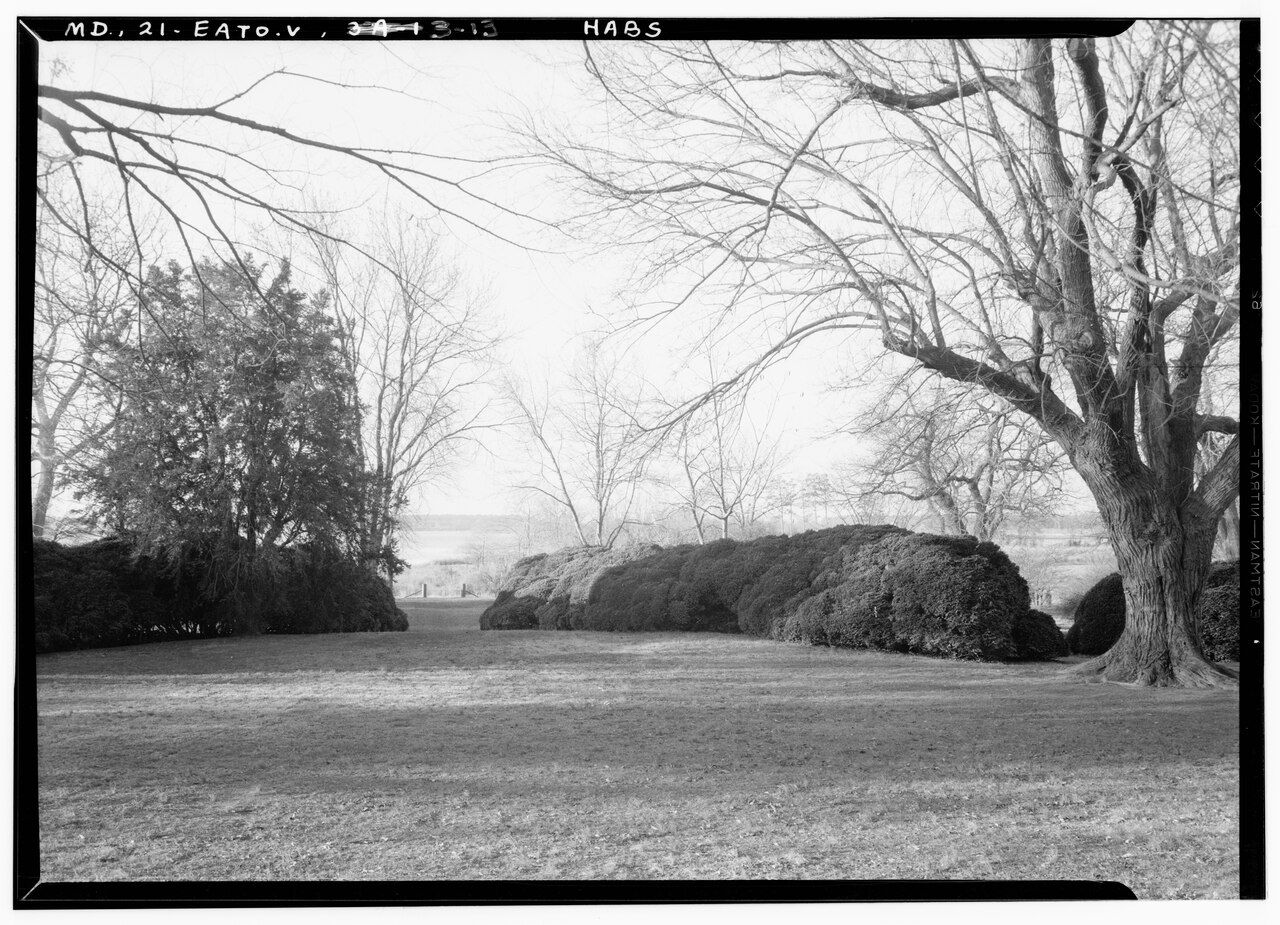
The Tred Avon is a broad tidal river that rises near Easton and widens steadily as it flows southwest to meet the Choptank. Its banks are lined with old farms, manor houses and long lawns that run down to the water, many of them dating from the colonial and early national periods. Most are private, but you can see something of that landscape from the ferry and from the roads.
Sailing is a big part of the river's life. Regattas take place through the warmer months, and on a windy afternoon the water off Oxford is busy with sails. If you are on the water yourself, take care: the river is wide, wind can build quickly, and summer thunderstorms move in fast across the bay.
The kindest weather usually comes in May and again in late September and October. The ferry is running, the weather is mild, and the town is calm. Summer is warm and humid, with afternoon storms and more visitors, but evenings on the Strand make up for it. Winter is very quiet; the ferry is closed, but the light on the river is beautiful and you may have the waterfront to yourself.
Before you set out
- Check the ferry's current season, schedule and weather status.
- Bring a bicycle if you can; the town and its approaches are made for it.
- Carry water and sun protection on hot days; shade is patchy along the open roads.
- In summer, be wary of sea nettles before wading off the Strand.
For the crabs and oysters that built so many of these river towns, read blue crabs, the Shore's own. Then walk to the end of the Strand, watch the ferry push off for the far bank, and let the afternoon go slowly. That is what Oxford does best.