
Easton · Easton
Easton in November, when the geese come back
Each November the skies over Talbot County fill with wintering geese and the town of Easton fills with wildlife art, decoys and visitors, in a festival that has run since the early 1970s.
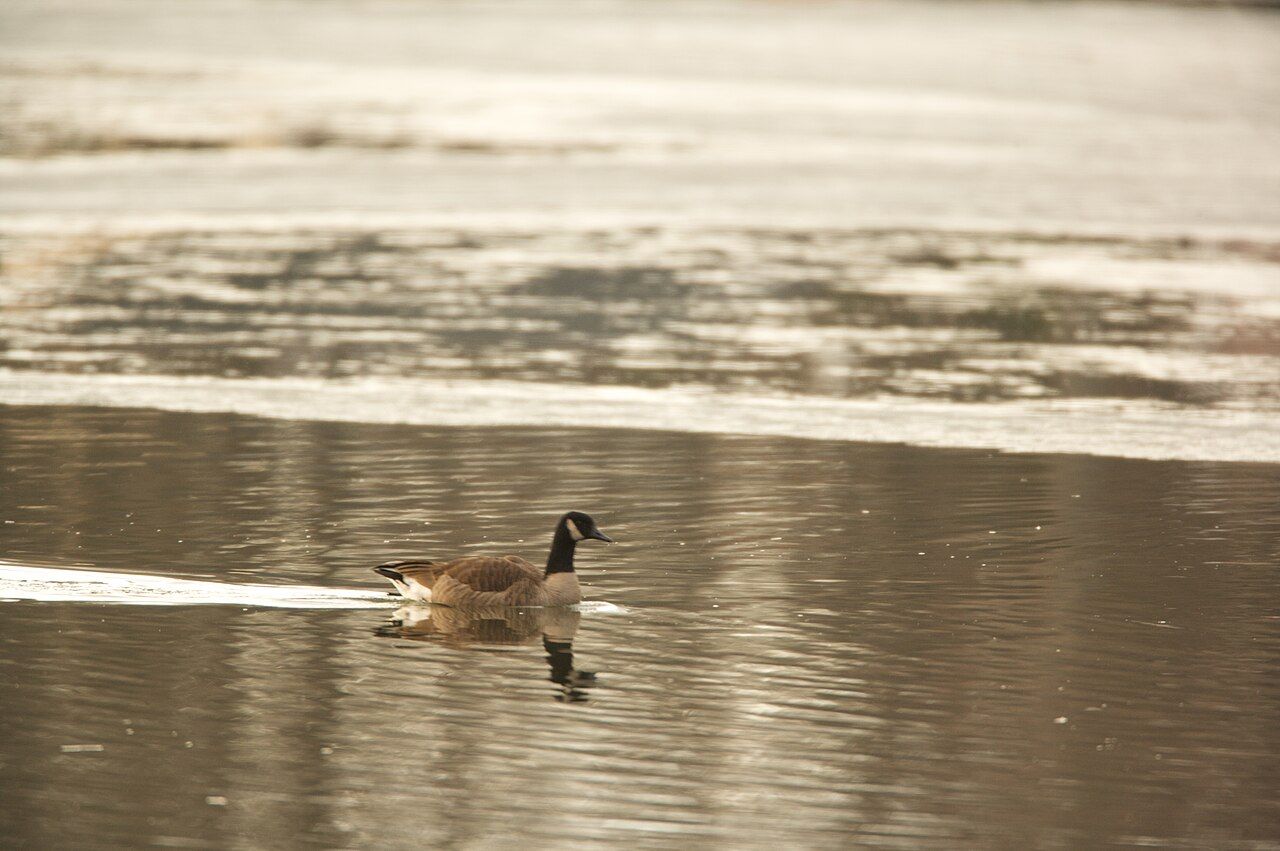
Stand anywhere in Talbot County on a still November morning and you will hear them before you see them: a ragged, carrying chorus of honks that grows into long skeins of Canada geese crossing the sky toward the harvested fields. The birds have come down from the north to spend the winter on the Chesapeake, and for one weekend each November the town of Easton celebrates them, and the wider world of waterfowl, with one of the oldest wildlife art festivals in the country.
Why geese, and why here
The Eastern Shore sits on the Atlantic Flyway, the great north to south migration route for waterfowl. Its broad, shallow tidal rivers, its marshes and its flat farmland, with corn and soybean stubble left after harvest, make it one of the most important wintering areas for Canada geese on the East Coast. Tundra swans, many kinds of ducks and snow geese come too.
Numbers have risen and fallen over the decades with changes in farming, hunting rules and conditions on the breeding grounds far to the north, but the autumn arrival remains a fixed point in the local year. By November, geese are feeding in the fields at first light, resting on ponds and coves through the day and flying out again at dusk. For the best views of the season's birds, the marshes south of Cambridge at Blackwater National Wildlife Refuge are hard to beat.
Waterfowl have also shaped the Shore's economy and culture. Hunting brought money and visitors from the cities for well over a century, and with it came a tradition of carving wooden decoys that grew into a respected folk art.
The festival in general terms
The waterfowl festival began in the early 1970s, founded by local residents to raise money for wildlife conservation, and it has grown into a large event that takes over much of downtown Easton for a long weekend in November, usually in the first half of the month. Proceeds support conservation projects, which gives the whole affair a purpose beyond the sales floor.
Exhibitions are spread across many buildings in town: halls, schools, churches, tents and galleries. Painters, sculptors, carvers, photographers and craftspeople show and sell work, much of it depicting birds and the bay. Over the years the program has included things like retriever demonstrations, calling contests, fly-fishing displays and children's activities.
Decoys, from working tools to art
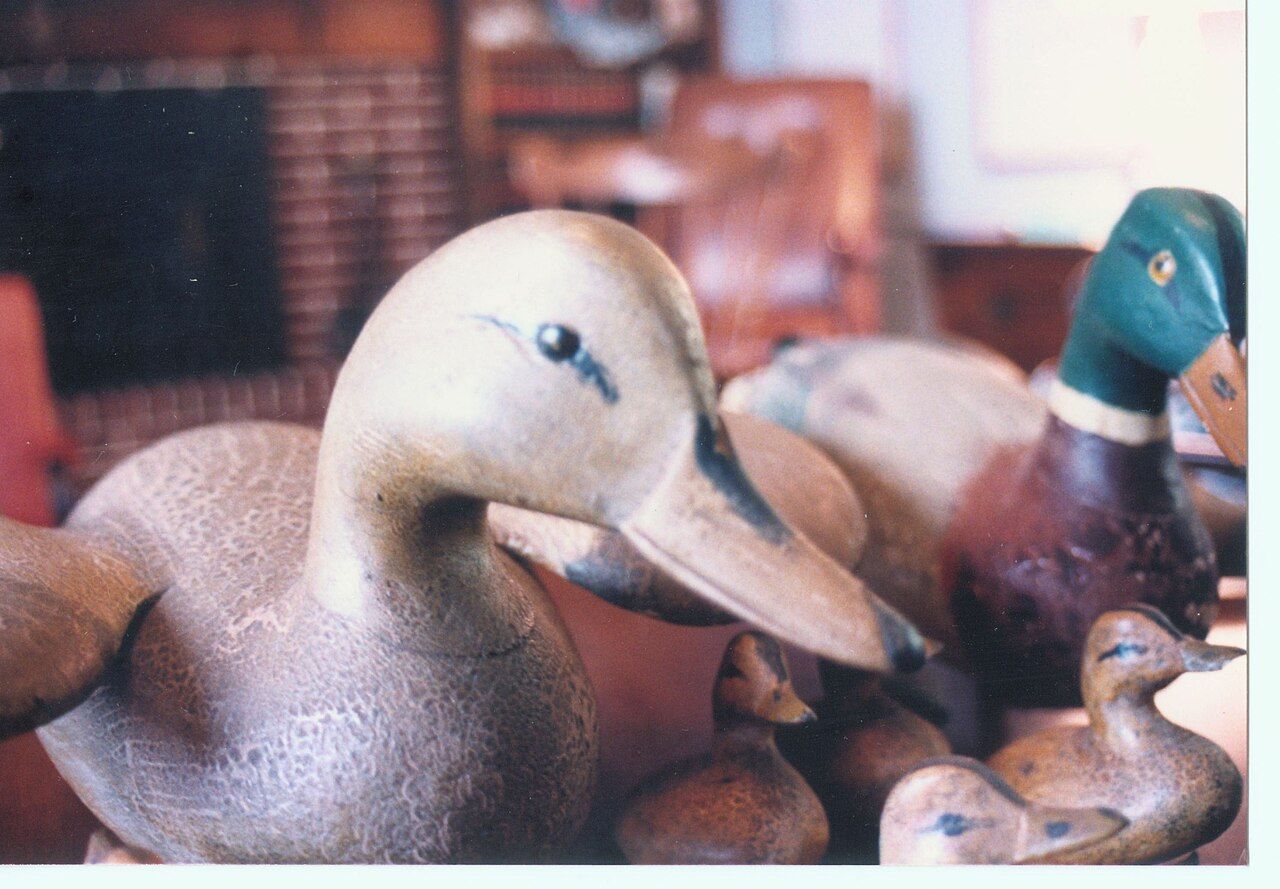
Decoys began as working equipment. Hunters set floating wooden birds on the water to draw live ducks and geese within range, and the Chesapeake, with its huge flocks and its market gunners, had great demand for them. Carvers along both shores of the bay turned them out by the hundreds, often from local cedar and pine, painted to suggest a species from a distance rather than to fool a close look.
Old working decoys, battered by years of use, are now prized by collectors for their simplicity and individual style. Contemporary carvers have taken the craft much further, producing birds with every feather detailed. At the festival you will see both strands: the plain, sturdy shapes of the hunting birds and the elaborate, lifelike pieces made for display.
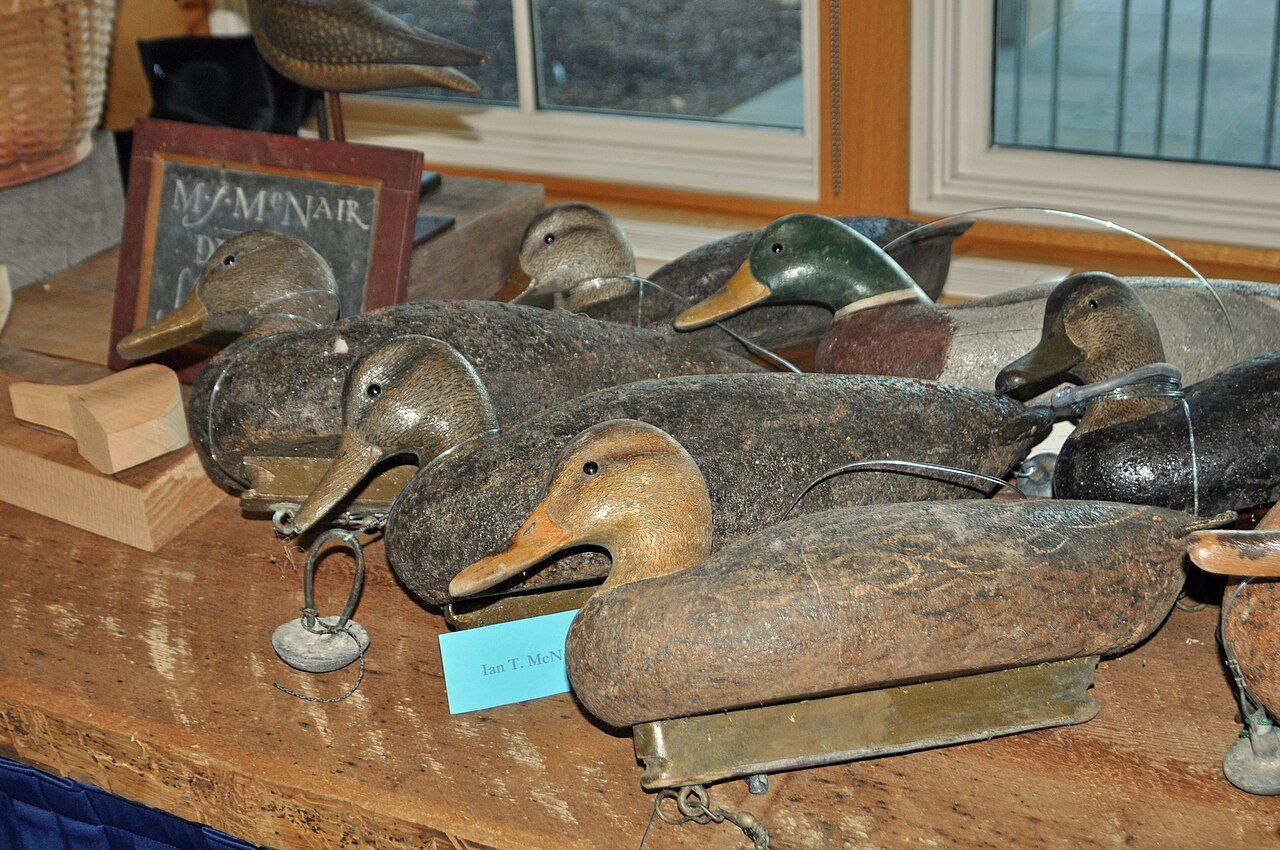
If the subject hooks you, the Shore has more to show. Decoy and wildfowl art collections are held in museums around the bay, and the craft is still taught at clubs and workshops. In Easton itself, galleries and the Academy Art Museum often show wildlife art in the weeks around the festival.
Planning a November visit
The festival weekend is busy. Downtown streets close, parking is limited and festival shuttles usually carry visitors between parking areas and exhibition sites. Rooms across the county book up early for that weekend, so plan well ahead if you want to stay overnight, or come as a day visit and arrive early.
Practical points
- Admission is usually by a pass or wristband that covers the exhibition sites.
- Bring layers. November on the Shore can swing from mild sun to raw wind and rain in a day.
- Carry binoculars. Geese pass over town all day, and the fields just outside Easton are full of them.
- Some smaller sellers prefer cash, so have some with you.
If you would rather see the town quietly, come in the weeks before or after the festival. The geese are here all winter, the light is low and golden, the leaves are turning on the old trees, and you can walk Easton's historic streets without the crowds.
The rest of the season
November also marks the start of hunting seasons for waterfowl on the Shore. Many of the fields where geese feed are private land leased for hunting, so watch from public roads, refuges and parks, never walk onto farmland without permission, and wear something bright if you are out early on public land where hunting is allowed. Seasons, bag limits and open areas are set by the state and change from year to year.
The cold months bring their own pleasures. Tundra swans arrive on the rivers, eagles gather near the marshes, and the bay is quieter than at any other time of year. For a sense of how the whole year turns on the Shore, read the Shore through the year. Then step outside at dusk, look up and listen. The geese will tell you the season has begun.